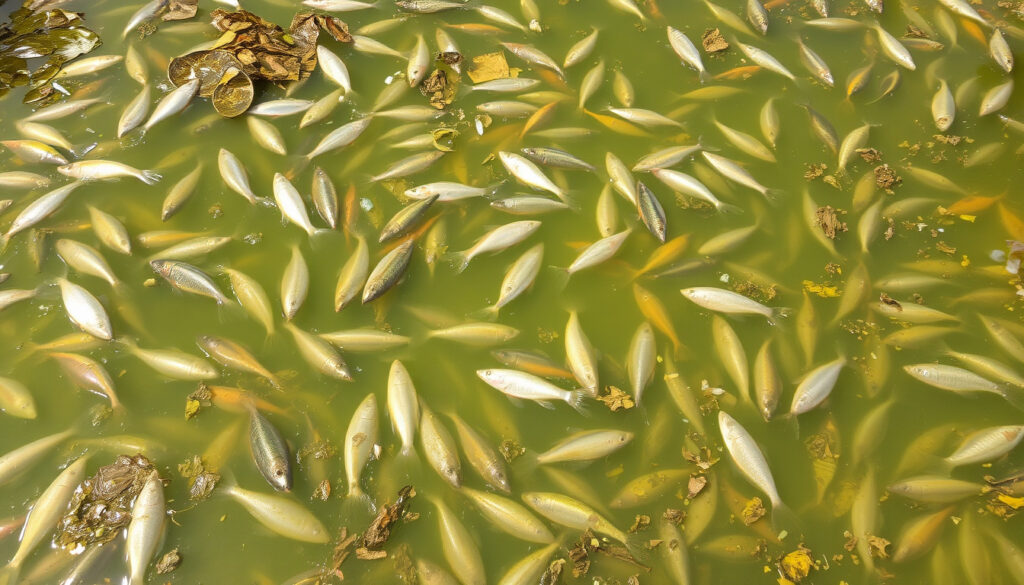
Why You Should Never Eat Tilapia: Top Reasons Explained
Tilapia’s omega-6 content outpaces even pork bacon, while its omega-3 levels fall below half a gram per 100 grams—a nutritional profile that has made it a punching bag for chefs, nutritionists, and sustainability watchdogs alike. A landmark Wake Forest study published in 2008 first quantified what many suspected: farm-raised tilapia from major producers like China offers some of the lowest omega-3 density of any common seafood, paired with grain-heavy feeds that push its fatty acid ratio toward inflammation territory.
Fat per serving: 3 grams ·
Omega-3 content: Very low ·
Omega-6 vs Omega-3: Higher omega-6 ·
Farming concern origin: China major source ·
Waste production: High in farms
Quick snapshot
- Tilapia has less than 0.5g omega-3 per 100g (ScienceDaily)
- Omega-6 levels exceed those in pork bacon (ScienceDaily)
- China hosts over 70 BAP-certified tilapia farms (Global Seafood Alliance)
- Prevalence of antibiotic use on Chinese farms today
- Exact scope of past animal-waste feeding practices
- Consumer allergy rates specific to tilapia
- 2008 — Wake Forest links fatty acids to heart risks (ScienceDaily)
- 2016 — Whole Foods bans prison-labor-sourced tilapia (Global Seafood Alliance)
- Post-2017 — Recirculating aquaculture improves safety globally (Henry Ford Health)
- BAP certification expands in China, narrowing the safety gap
- Dietary omega-3 enrichment shows promise for farmed tilapia
- Seafood Watch still recommends sourcing from Peru and Ecuador
The table below compares tilapia’s nutritional profile and farming attributes against verified benchmarks from peer-reviewed and institutional sources.
| Attribute | Value |
|---|---|
| Primary farming location | China |
| Fat content per serving | 3 grams |
| Sustainability rating | Avoid from China — Seafood Watch |
| Feed type | Grain-based |
| Omega-3 per 100g (farmed tilapia) | <0.5g |
| Omega-3 per 100g (farmed salmon) | ~3g per 100g |
| Omega-3 per 100g (farmed trout) | ~4g per 100g |
| BAP-certified farms in China | Over 70 |
| BAP-certified processing plants in China | ~50 |
| Algae meal boost to omega-3 | 8.77% dietary inclusion |
Why do chefs not like tilapia?
Professional kitchens have grown increasingly wary of tilapia, and the reasons go beyond flavor preferences. Chefs who once relied on it as a cheap, neutral white fish now point to red flags in how it’s raised and what it contains.
Farming practices
Large-scale tilapia farms generate substantial waste. In pond-based operations—particularly in parts of Asia—fish waste, excess feed, and chemicals can accumulate faster than ecosystems absorb them. The Monterey Bay Aquarium’s Seafood Watch program flags tilapia from China specifically, citing “worrisome farming practices” that affect habitat, chemical use, escape risks, and disease potential (Seafood Watch).
Feed quality
Farm-raised tilapia is typically fed corn and soybean meal rather than the algae, insects, and detritus they would consume in the wild. This grain-heavy diet shapes the fish’s fatty acid profile directly. According to WebMD, tilapia fed corn or soybean meal retain higher omega-6 levels and lower omega-3 levels than fish given more varied, natural feed.
Taste profile
Chefs also note that tilapia lacks the flavor complexity of wild-caught or sustainably farmed alternatives. Without the omega-3-rich fat that gives salmon, sardines, or trout their distinctive taste, tilapia registers as bland—which is precisely why it often lands on menus heavily sauced, blackened, or fried.
The gap between conventional and certified tilapia farming is widening. China now leads globally with over 70 BAP-certified farms and roughly 50 processing plants (Global Seafood Alliance), meaning sourcing matters more than origin alone.
What this means: A farmed tilapia fillet is not nutritionally equivalent to a wild-caught salmon fillet—even if the label says “farm-raised.” The feed it ate determines what ends up on your plate.
Why do people say not to eat tilapia?
The anti-tilapia chorus didn’t emerge from nowhere. Two interconnected concerns drive most of the warnings: the fish’s fatty acid balance and the farming conditions attached to mass production, especially from China.
Health concerns
Wake Forest University School of Medicine researchers published a landmark study in 2008 describing farm-raised tilapia as having “very low levels of beneficial omega-3 fatty acids and, perhaps worse, very high levels of omega-6 fatty acids” (ScienceDaily). Their analysis found tilapia’s omega-6 content exceeds that in 80% lean hamburger, doughnuts, and even pork bacon—foods no one calls heart-healthy. A 2018 PMC study reinforced these findings, linking high n-6 to n-3 ratios in tilapia to inflammation risks (PMC).
Environmental impact
Tilapia farming at industrial scale consumes significant water and land, and generates waste that can pollute surrounding waterways. Operations in China, Taiwan, and Colombia have historically drawn criticism for these practices. However, Henry Ford Health reports that farming practices in several regions have improved since the mid-2010s, with many farms now using recirculating aquaculture systems that are considered safe by watchdogs (Henry Ford Health).
Quality issues
Chinese tilapia farms have historically faced scrutiny over antibiotic use and the use of animal waste in feed—both raising contamination concerns, though WebMD notes the current prevalence of these practices remains unclear (WebMD). Dr. Axe has gone further, directly warning consumers to avoid tilapia from China (Dr. Axe), while the Global Aquaculture Alliance disputes these generalizations, arguing that BAP-certified farms meet rigorous standards regardless of country.
No evidence directly confirms that eating tilapia causes inflammation in humans, despite the concerning fatty acid ratios. Healthline notes that while the omega-6 to omega-3 imbalance is real, clinical causation in people remains unproven (Healthline).
The trade-off: Tilapia’s lean protein and low mercury content still make it a safer choice than some predators like swordfish or shark. The question is whether its fatty acid profile offsets that advantage.
Why is tilapia banned in Australia?
Scattered online claims assert that Australia has banned tilapia imports—but the evidence does not support a blanket prohibition. No tier-1 government source confirms a complete import ban, and Seafood Watch issues region-specific guidance rather than an outright Australian restriction.
Regulatory reasons
Australia’s biosecurity rules treat tilapia with caution primarily because Oreochromis tilapia species are considered potentially invasive if released into Australian waterways. The Australian government has restricted live tilapia imports on those grounds, not because of food safety concerns tied to consumption.
Invasive species risk
Tilapia ranks among the world’s most successful invasive fish species. In regions outside their native African and Middle Eastern range—including parts of Asia and Central America—they escape from farms, outcompete native species, and disrupt ecosystems. Australia’s regulatory posture reflects ecological caution rather than nutrition-based rejection.
Import rules
The distinction matters: Australia’s restrictions target live fish and specific import pathways, not all forms of tilapia product. Frozen or processed tilapia fillets from certified sources may still enter the country under existing food import frameworks.
The implication: Australia’s caution stems from ecological biosecurity, not from the omega-3 or farming concerns that drive anti-tilapia sentiment elsewhere. Mixing these two rationales muddles the debate.
Is tilapia healthy?
The honest answer depends entirely on what you compare tilapia against. In isolation, a tilapia fillet delivers lean protein, roughly 3 grams of fat per serving, and negligible mercury—a reasonable profile for many diets. The problems emerge when you stack it against the fatty fish it often replaces.
Nutrition breakdown
A 4-ounce tilapia serving contains approximately 200 milligrams of omega-3 fatty acids (Lakeway Tilapia). For context, farmed salmon delivers roughly 3 grams of omega-3 per 100 grams—a difference of 15 times. Farmed trout sits around 4 grams per 100 grams (ScienceDaily). Tilapia’s omega-3 content puts it closer to cod or haddock than to these omega-powerhouse species.
Safety factors
On mercury risk, tilapia scores well. As a freshwater fish lower on the food chain, it accumulates less methylmercury than tuna, shark, or swordfish. Henry Ford Health describes tilapia as offering “lean protein” alongside its low omega-3 profile, noting it resembles catfish and shrimp in its fatty acid balance (Henry Ford Health).
Comparison to other fish
- Salmon: ~3g omega-3/100g — tilapia has less than one-sixth this amount
- Trout: ~4g omega-3/100g — tilapia has less than one-eighth this amount
- Cod: ~200mg omega-3 per 4oz serving — roughly equivalent to tilapia
- Sardines: high omega-3, calcium-rich bones, low mercury — vastly superior profile
Tilapia is not “unhealthy” in the way processed meats are—it’s a clean, low-contaminant protein source. But if you’re eating fish specifically for omega-3 benefits, tilapia is among the least efficient choices on the seafood counter.
The pattern: The fish most commonly promoted as “healthy white fish” happens to be among the lowest in the omega-3 category that makes fish worth eating in the first place.
Is farmed tilapia healthy?
Farmed tilapia dominates global supply. China alone produces more tilapia than any other country, operating over 70 Best Aquaculture Practices-certified farms and approximately 50 processing plants (Global Seafood Alliance). Whether that scale translates to a healthy product depends heavily on certification, feed, and country of origin.
China sourcing risks
Seafood Watch recommends avoiding tilapia from China specifically, citing concerns about habitat impact, chemical use, fish escape risks, and disease propagation in farming operations (Seafood Watch). Men’s Journal documents ongoing concerns about Chinese tilapia farming practices affecting both nutrition and environmental quality (Men’s Journal).
Chemical and disease issues
WebMD notes that Chinese tilapia farms have historically used antibiotics and, in some cases, animal waste in feed—practices that raise food safety flags. The current prevalence of these methods is unclear, and the industry has made measurable progress in several regions through recirculating aquaculture systems. The PMC research confirms that tilapia fillets can be enriched with EPA and DHA through modified diets, suggesting that nutritional quality is not fixed at farming (PMC).
Sustainability ratings
Dr. Axe recommends sourcing tilapia from the United States, Canada, the Netherlands, Peru, or Ecuador rather than China (Dr. Axe). Seafood Watch similarly points toward Peru and Ecuador as sources of responsibly farmed tilapia that meet sustainable standards (Seafood Watch).
Upsides
- Low mercury — safer than most predatory fish
- Lean protein with ~26g per 100g serving
- Budget-friendly and widely available
- BAP certification improving Chinese farm standards
- Dietary omega-3 enrichment is scientifically proven
Downsides
- Less than 0.5g omega-3 per 100g — far below salmon or trout
- Omega-6 exceeds bacon and hamburger levels
- Grain-based feed degrades nutritional profile
- Seafood Watch warns against Chinese-sourced product
- Environmental footprint of pond-based farms remains high
What this means: Farmed tilapia is not categorically unsafe—but it is categorically less nutritious than the fish it competes with on omega-3 grounds. Sourcing from certified farms in Peru, Ecuador, or the U.S. narrows the gap considerably.
“Farm-raised tilapia has very low levels of beneficial omega-3 fatty acids and, perhaps worse, very high levels of omega-6 fatty acids.”
— Wake Forest University School of Medicine researchers, 2008 (ScienceDaily)
“China is unfairly singled out as a bad player in the tilapia-farming industry, which is inaccurate and unfounded.”
— Steven Hart, Ph.D., Vice President, Global Aquaculture Alliance (Global Seafood Alliance)
“There’s no reason to avoid eating a moderate amount of tilapia.”
— Henry Ford Health (Henry Ford Health)
For anyone prioritizing cardiovascular health through dietary omega-3s, tilapia is a poor substitute for salmon, sardines, or trout. The fish earns its reputation as a low-mercury protein source, but its fatty acid profile falls short of what nutritionists look for in a seafood staple. Sourcing matters enormously—Peruvian or Ecuadorian tilapia from certified farms is meaningfully different from Chinese pond-raised product. And the industry’s own research suggests that dietary enrichment can shift those numbers, which means the tilapia on your plate tomorrow could look nutritionally different from the one you bought last month.
Related reading: blood pressure monitor · dark spots on face
Frequently asked questions
What is the most unhealthy fish to eat?
What is the most unhealthy fish to eat?
Fish high in mercury—such as swordfish, shark, and king mackerel—are often considered the most unhealthy by mainstream health guidelines. Tilapia ranks as a lower-mercury option, but its omega-3 deficiency makes it nutritionally inferior to fatty fish like salmon or sardines for those eating fish for heart health.
What is the unhealthiest fish to eat?
What is the unhealthiest fish to eat?
Among commonly consumed fish, those highest in mercury or heavily processed fish products typically rank as less healthy. Tilapia’s health concerns stem from its fatty acid imbalance rather than contamination, making it a moderate concern compared to high-mercury predators—but not a health food by omega-3 standards.
Is tilapia a dirty fish?
Tilapia is not inherently dirty, but certain farming operations—particularly untreated pond systems in parts of Asia—have raised legitimate concerns about antibiotic use, waste runoff, and feed quality. Best Aquaculture Practices certification addresses many of these concerns, and not all tilapia operations carry the same risks.
Does tilapia eat poop?
This claim stems from historical reports that some tilapia farms in Asia used animal waste as a feed ingredient. While this practice has been documented, its current prevalence is unclear. Modern recirculating aquaculture systems have largely moved away from this approach, and certified farms follow feed standards that prohibit waste-based ingredients.
Is tilapia a bottom feeder?
Tilapia is not taxonomically a bottom feeder, though it does feed at multiple levels in the water column. Unlike true bottom feeders like catfish or cod, tilapia consumes algae, plants, and small insects. The “bottom feeder” label applied to tilapia is a mischaracterization that conflates farming location with feeding behavior.
Is tilapia a real fish?
Yes—tilapia is a real fish, belonging to the Cichlidae family. Several species within the Oreochromis, Tilapia, and Sarotherodon genera are farmed globally, with Nile tilapia (Oreochromis niloticus) being the most commercially significant.
What is the top 5 healthiest fish to eat?
By omega-3 content and safety profile, the top performers are salmon, sardines, mackerel, trout, and herring. These fish offer substantially more omega-3 per serving than tilapia, with lower mercury risk than large predatory species. Anchovies and Pacific cod round out common recommendations for lean, low-contaminant options.
More related posts
 Capital One Business Credit Card: Requirements, Benefits, and Policies
 Boasberg Reverses Restitution Order for Jan. 6 Defendants
 Spectrum Phone Number Customer Service Live Person (2025)
 Ratchet & Clank: Rift Apart Review – Is It Worth It
 Sabrina Carpenter Espresso Lyrics – Meaning, Release and Facts
 Food Near Me Open: Local Irish Pubs, Etiquette & Must-Try Dishes
 Alvin and the Chipmunks: Names, Movies, Streaming Guide
 5’10” in cm: Conversion, Average Height & Perception