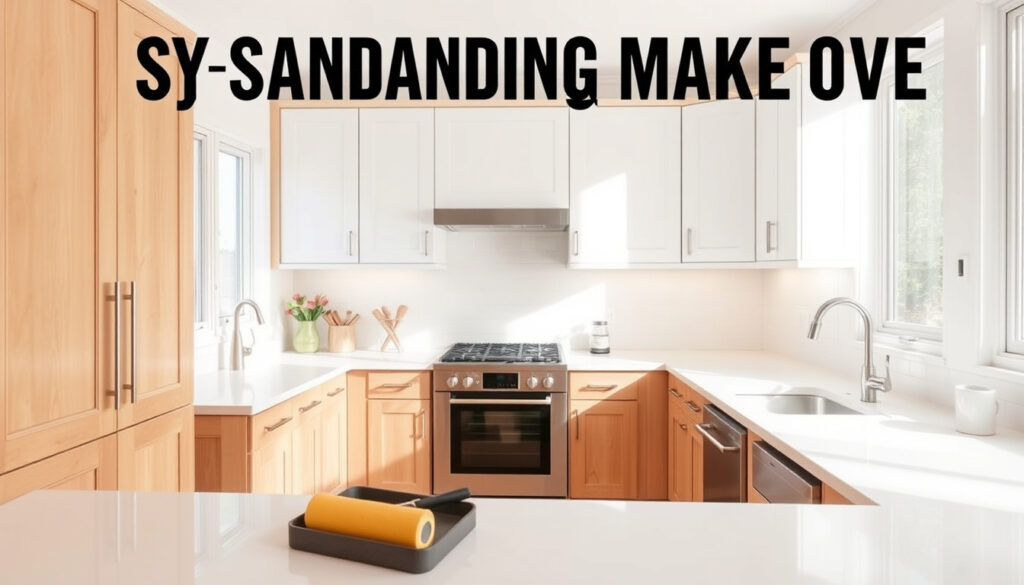
How to Paint Kitchen Cabinets Without Sanding: Guide
There’s something a little thrilling about standing in front of a row of tired kitchen cabinets, paint rollers at the ready, knowing you’re about to change the whole personality of the room. But if you’ve ever googled “how to paint kitchen cabinets” and gotten lost in conflicting advice about sanding, primers, and which brush to use, you’re not alone. The good news? You don’t need a contractor’s licence to pull this off — and you definitely don’t need to sand everything to bare wood first. Here’s how to do it properly, whether you’re in Dublin or Donegal, starting today.
Typical project time: 3-7 days ·
Sanding grit recommended: 80-100 ·
Primer coats needed: 1-2 ·
Paint coats standard: 2-3 ·
Common no-sand option: Deglosser cleaner
Quick snapshot
- Traditional adhesion with 80-100 grit sandpaper (Grace in My Space)
- 2 coats of primer recommended for bare wood (Grace in My Space)
- Best for heavily varnished or damaged surfaces (Grace in My Space)
- Deglosser cleaner acts as liquid sandpaper (Grace in My Space)
- Zinsser BIN primer for high adhesion without sanding (The Palette Muse)
- Faster prep — no dust, no waiting for sandpaper (Grace in My Space)
- Fine sandpaper (80-100 grit for sanding method)
- High-adhesion primer (Zinsser BIN or Bulls Eye 1-2-3)
- Quality brush, foam roller, or paint sprayer
- No door removal required with in-place painting (The Palette Muse)
- 3-day timeline achievable with deglosser method (The Palette Muse)
- Paint sprayer reduces application time by half (The Palette Muse)
These four approaches share one non-negotiable rule: thorough preparation beats any shortcut you could take with the paint itself. Here’s what the research and experienced DIYers actually say.
| Specification | Recommended Value | Source |
|---|---|---|
| Standard grit (sanding method) | 80-100 | Grace in My Space |
| Light sanding between coats | 320 grit | Grace in My Space |
| Cleaner options | Krud Kutter, methylated spirits, TSP | The Palette Muse |
| Primer example (no-sand) | Zinsser BIN Advanced | Grace in My Space |
| Undercoat for topcoats | Farrow & Ball Wood Primer | Chris Loves Julia |
| Minimum paint coats | 2 coats | Grace in My Space |
| Project paint time (excl. drying) | 2 hours | YouTube tutorial |
| Deglosser application tool | Lint-free rags | Grace in My Space |
What is the best way to paint my kitchen cabinets?
Here’s the honest answer from experienced painters: the “best” way depends entirely on the condition of your cabinets and how much time you have. For most people tackling this as a weekend project, two methods dominate the conversation.
Prep steps from top guides
- Remove all hardware, hinges, doors, and drawers before painting to simplify the process and ensure neat reassembly. Number doors, drawers, and corresponding hardware in ziploc bags for easy reassembly later (Grace in My Space).
- Clean cabinets thoroughly using a mixture of water, dish soap (1/8 cup), and vinegar to remove grease and grime. For heavy-duty cleaning, use TSP or TSP substitute with heavy-duty gloves and a scrub brush (Grace in My Space).
- Apply 2-3 thin coats of high-quality cabinet paint, allowing proper cure time between coats (Grace in My Space).
Skipping the clean step is where most DIY jobs go wrong. Grease prevents primer from bonding, and you’ll see peeling within months — not years.
Sanding vs no-sanding debate
The sanding method uses 80-100 grit sandpaper to rough up the surface for better paint adhesion. It works reliably but creates dust, takes physical effort, and requires more time. The no-sanding alternative uses a liquid deglosser that etches the surface chemically, eliminating the dust entirely.
Sanding is messy and labor intensive. Instead, I like to use deglosser, which is essentially liquid sandpaper.
— Grace in My Space (Blogger, DIY painting specialist)
In Ireland, deglossers like Zinsser Deglosser are readily available at retailers like Screwfix Ireland, and Zinsser primers stock at Woodies DIY. Both retailers serve as authoritative sources for these products in the Irish market.
Painting methods: brush, roller, sprayer
You can apply primer and paint using a brush, roller, foam roller, or sprayer. Professionals often brush first then back-roll with a foam roller for the smoothest finish (Grace in My Space). Paint sprayers dramatically cut application time but require more setup and practice to avoid runs.
The pattern across expert sources is consistent: thin even coats following the wood grain avoid drips and achieve better adhesion than heavy single coats (Cabinet Door Store).
Can I just paint over my kitchen cabinets?
The short answer: only if your cabinets are in good condition and you’re willing to do proper prep. Painting directly over glossy, laminate, or heavily contaminated surfaces without any preparation will almost certainly fail within a year.
Risks of skipping prep
- Peeling and flaking: Without proper cleaning and deglossing, paint won’t bond to glossy surfaces.
- Visible imperfections: Dust, grease, and uneven surfaces show through paint.
- Poor durability: High-traffic kitchen cabinets need a strong foundation, and that means primer.
Primer is essential even without sanding to ensure paint adhesion (Grace in My Space). This holds true whether you’re using the sanding method or the deglosser shortcut.
When direct painting works
You can skip deglossing and priming only if your cabinets are matte, previously painted with a similar product, and thoroughly cleaned. Even then, experts recommend at least one coat of a bonding primer for kitchen durability.
What this means: If your cabinets are laminate — which doesn’t sand well — you must use a dedicated primer and proper cleaning. The no-sand method with deglosser is specifically designed for glossy and laminate surfaces (Cabinet Door Store), making it the safer choice for most kitchen cabinets.
Do I really need to use primer on wood?
Yes. This is not optional if you want results that last. Primer serves three essential functions: it bonds to the surface, provides a uniform base, and allows your topcoat to adhere properly.
Primer types recommended
- Zinsser BIN: Shellac-based, high adhesion, tintable, quick-drying. Considered the gold standard for difficult surfaces like glossy laminate (Grace in My Space).
- Zinsser Bulls Eye 1-2-3: Water-based, works on glossy surfaces without sanding, cheaper than BIN (Chris Loves Julia).
- Farrow & Ball Wood Primer: Pairs with Farrow & Ball topcoats for a premium finish (Chris Loves Julia).
Primer costs a fraction of your topcoat but determines whether that expensive paint lasts two years or ten. Don’t skip it, even if the paint can claims “primer built in.”
No-primer shortcuts
Some paint brands market products as “paint and primer in one.” While these work in ideal conditions, experienced painters consistently report better results with a dedicated primer underneath, especially on previously coated or glossy surfaces.
Tinting your primer dark can improve coverage when using dark top coats — this trick from Chris Loves Julia reduces the number of topcoat layers needed.
The catch: Primer is cheaper than paint. If you skip primer to save money, you’ll spend more on additional topcoat layers — and still get worse results.
What not to do when painting kitchen cabinets?
Learning from mistakes costs less than making them yourself. Here’s what experienced painters universally advise against.
Top 11 mistakes to avoid
- Don’t skip cleaning. Grease and grime are the enemy of adhesion. Use Krud Kutter, TSP, or a vinegar-water solution before any other prep (Grace in My Space).
- Don’t rush drying times. Primer needs full cure before topcoat. Paint needs cure time between layers. Rushing causes bubbles, peeling, and imprints.
- Don’t skip sanding between coats. Even with the no-sand method, lightly sanding with 320 grit between coats knocks down high spots (Grace in My Space).
- Don’t use cheap brushes. Cheaper brushes leave visible marks and shed bristles into wet paint.
- Don’t apply thick coats. Thin even coats dry properly and level out. Thick coats drip, sag, and cure unevenly.
- Don’t paint over loose or flaking material. Sand or strip it first.
- Don’t forget to label doors. Mixed-up doors make reassembly a nightmare.
- Don’t caulk before priming. Caulk seams and gaps after priming for a professional finish (Grace in My Space).
- Don’t use interior trim paint on cabinets. Cabinets need tougher, more washable formulations like Dulux Kitchen Range (Dulux Ireland).
- Don’t skip testing on a small area. Always test your color and technique on an inconspicuous spot first.
- Don’t forget hardware removal. Painting over hinges and handles wastes time and produces sloppy results.
Beginners often assume the painting step is where expertise matters. The reality: 80% of cabinet painting quality comes from prep work. A pro’s finished cabinets look better not because of their brush technique, but because they spent longer cleaning, sanding, and priming.
Do’s and don’ts from pros
The clearest guidance from experienced painters: take photographs of your cabinet layout before removing anything, use painter’s tape only where necessary (not on joints that need to flex), and plan for at least 48 hours of door-free kitchen use.
What I wish I knew before painting cabinets?
Learning from others’ experience compresses your learning curve dramatically. Here’s what beginners consistently say they wish they’d known sooner.
Beginner tips
- Remove hardware completely. Don’t try to tape around hinges. Remove doors and drawers entirely, number them, and store hardware in labelled bags (Grace in My Space).
- Light sand takes 30 minutes max. You don’t need to strip to bare wood — a light pass with 80-100 grit removes the glossy surface and provides enough tooth for paint (The Palette Muse).
- Work in a 3-day timeline is possible. With the no-sand method, painting can realistically be done in 2 hours excluding drying time (YouTube tutorial), though you’ll need 2-3 days for proper curing between coats.
- Ventilation matters. Shellac-based primers like Zinsser BIN have strong fumes. Work in ventilated spaces or use appropriate respiratory protection.
Pro shortcuts like no removal
You can paint cabinet doors in place first, then remove them for frames and edges if removal isn’t practical (The Palette Muse). This keeps your kitchen partially functional during the project.
Laminate cabinets require special attention: clean with Krud Kutter, prime with a dedicated adhesion primer like Zinsser BIN, and avoid heavy sanding since laminate doesn’t respond well to it (Cabinet Door Store).
No sanding required, but don’t skimp on the primer — even if the paint boasts it has a built in one.
— Chris Loves Julia (Interior design blog, professional renovators)
Upsides
- Cost-effective compared to replacement (save €2,000-5,000 on average kitchen)
- No-sand method reduces project time to 3 days
- Beginner-friendly — no special skills required
- Works on laminate cabinets that can’t be sanded
- Available products (Zinsser, Dulux) compliant with EU VOC regulations
- Reversible — can repaint if trends change
Downsides
- Realistic drying time spans 3-7 days — kitchen unusable during cure
- Requires careful prep work or results will fail early
- Hardware may need replacing if drilling patterns don’t align
- DIY results may differ from professional spray finish
- Shellac primers (Zinsser BIN) require good ventilation
- Outdated cabinet styles won’t change with paint alone
Step-by-step guide to painting kitchen cabinets
A clear sequence prevents missed steps and costly redo jobs. Here’s the process broken into manageable phases.
Phase 1: Preparation (Day 1 morning)
- Clear all cabinet contents and remove doors, drawers, and hardware
- Label every door and drawer with its position (use masking tape)
- Store screws and hinges in labelled ziploc bags
- Clean all surfaces with TSP or Krud Kutter solution
- Rinse with clean water and allow to dry completely
Phase 2: Surface treatment (Day 1 afternoon)
- For sanding method: lightly sand with 80-100 grit, dust off thoroughly
- For no-sand method: apply deglosser with lint-free rags per product instructions (Grace in My Space)
- Let deglosser sit according to product directions, then wipe excess
- Wipe all surfaces with a tack cloth to remove dust
Phase 3: Priming (Day 2)
- Apply first coat of primer (Zinsser BIN for glossy surfaces, Zinsser Bulls Eye 1-2-3 for general use)
- Let primer dry according to product instructions (typically 1 hour for Zinsser products)
- Lightly sand with 320 grit between coats to knock down high spots (Grace in My Space)
- Apply second primer coat if needed for very dark or glossy surfaces
You sand to prep for primer, then prime, then sand between paint coats. It feels backwards — but each step serves a different purpose. The initial sanding creates tooth; the between-coat sanding creates smoothness.
Phase 4: First paint coat (Day 3)
- Apply thin even coat of cabinet paint following wood grain
- Use quality brush for details and foam roller for flat surfaces
- Brush then back-roll for smoothest finish (Grace in My Space)
- Allow to dry completely (check paint can for cure time, typically 4-8 hours)
Phase 5: Second and third coats (Days 4-5)
- Lightly sand with 320 grit between each coat
- Wipe away dust with tack cloth
- Apply second thin coat following same technique
- Apply third coat for dark colors or high-traffic cabinets
- Allow final cure time before reassembly (24-48 hours recommended)
Phase 6: Reassembly (Day 6-7)
- Attach hinges and hardware to doors
- Reinstall doors in numbered positions
- Insert drawers and adjust alignment
- Caulk any visible seams for professional finish (Grace in My Space)
What experts say about cabinet painting
Now there’s an easier way to paint kitchen cabinets without destroying the heart of your home in the process.
— The Palette Muse (DIY home improvement blog)
Primer is a MUST. Do not assume that a paint/primer in one will suffice.
— Grace in My Space (Blogger, DIY painting specialist)
These perspectives from experienced DIYers point to a consistent theme: the no-sand method democratises professional-quality results. Homeowners who previously avoided cabinet painting now report confidence in tackling the project, particularly when following the deglosser-cleaner-primer sequence that multiple sources recommend.
What this means: Professional painting costs in Ireland range from €3,000-8,000 for a full kitchen. The DIY route using these techniques costs €150-300 in materials. For most homeowners, the quality gap is smaller than the price gap — making this a genuine money-saver for those willing to invest the time.
Bottom line
Related reading: emergency plumbers for kitchen projects
The no-sanding method for cabinets draws from essential techniques in this step-by-step beginner painting guide, helping you prime and finish wood surfaces like a professional in days.
Frequently asked questions
How to paint kitchen cabinets without sanding?
Use a liquid deglosser (like Zinsser Deglosser, available at Screwfix Ireland) to etch glossy surfaces, then apply a high-adhesion primer like Zinsser BIN. This chemical preparation replaces sanding for most surfaces, cutting prep time significantly.
How to paint kitchen cabinets for beginners?
Start with the no-sand method: remove hardware, clean thoroughly with TSP or Krud Kutter, apply deglosser, prime with Zinsser BIN, then apply 2-3 thin coats of quality cabinet paint. Work in a well-ventilated area, use thin coats, and allow proper drying time between each step. The key beginner mistake is rushing the cure time between coats.
Is it better to paint cabinets with a roller or a brush?
Both tools work, but the professional technique combines them: brush first to get into corners and details, then back-roll with a foam roller to smooth out brush marks. Foam rollers (not mohair) produce the most even finish. Paint sprayers offer the smoothest result but require more practice and setup time.
What is the downside of painting kitchen cabinets?
The main downsides are the 3-7 day kitchen disruption during cure time, the physical effort of prep work, and the fact that results depend heavily on surface preparation quality. DIY results may not match professional spray finishes, and painted cabinets will eventually need repainting again (typically 5-8 years with proper prep).
What cabinet color is outdated?
Glossy white and builder-grade beige fell out of favour around 2020. Current trends favour warm neutrals, sage greens, soft navy blues, and matte finishes. If you’re painting for resale, neutral colours with matte or satin finish tend to appeal to the broadest buyer range. Avoid high-gloss finishes, which highlight imperfections and date quickly.
Can I paint kitchen cabinets without removing them?
Yes, you can paint cabinet doors and frames in place, though removal produces cleaner results. If you paint in place, use painter’s tape carefully on surrounding areas, remove or tape over hinges, and expect more masking work. Paint doors first, then move to frames and side panels.
Best paint for kitchen cabinets Ireland?
For Irish conditions, options that comply with EU VOC regulations include Dulux Kitchen Range (widely available), Farrow & Ball (premium), and specialized cabinet paints from Zinsser. Zinsser primers and paints are stocked at Woodies DIY, which serves as a reliable local source for these products.
More related posts
 Social Media EmbedTree: What It Is and How to Use It
 Sun Mountain Golf Bags: Quality, Price & Durability in 2026
 Better Than the Movies: Age Rating, Spice & Parent Guide
 Urgent Care Kit USA: Cost, Contents & Where to Buy
 Me, Myself and Irene: Mental Illness, Controversy, and Jim Carrey
 How Much Is a Galaxy on TikTok? Cost & Creator Payout
 How to Cancel Adobe Subscription: Fees, Steps & Refunds
 Social Security Seniors April Payment – Dates by Birthdate and Schedule