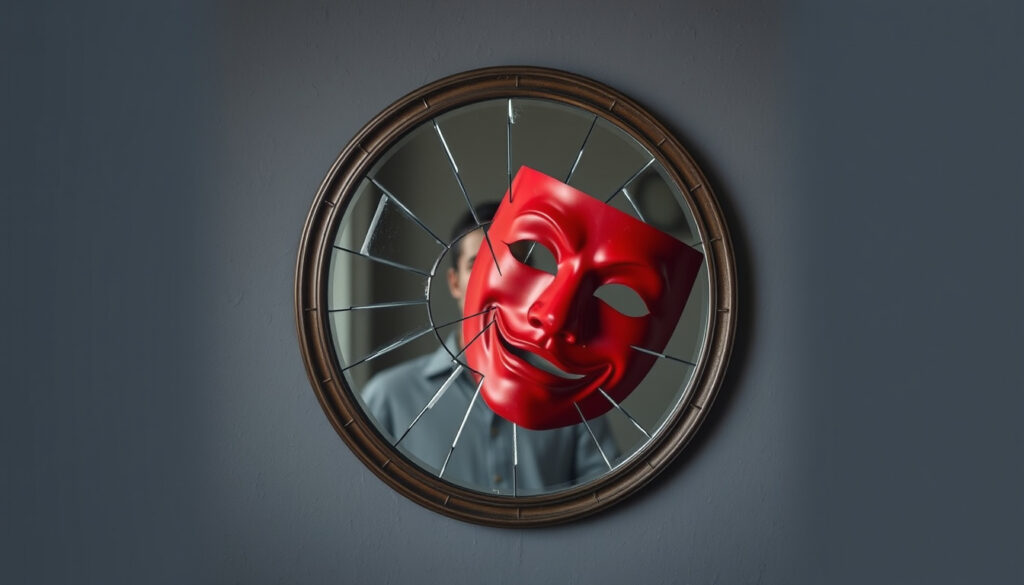
Me, Myself and Irene: Mental Illness, Controversy, and Jim Carrey
There aren’t many Jim Carrey comedies that still spark debate more than two decades later, but Me, Myself & Irene does exactly that. On one hand, it’s a road-trip farce packed with the Farrelly brothers’ trademark gross-out humor; on the other, it wraps a genuine mental-health diagnosis — Dissociative Identity Disorder — into its punchlines, drawing both laughter and criticism.
Release Year: 2000 ·
Director: Farrelly brothers (Peter and Bobby) ·
Starring: Jim Carrey, Renée Zellweger ·
Runtime: 116 minutes ·
IMDb Rating: 6.9/10 ·
Box Office: $149 million worldwide
Quick snapshot
- Released June 23, 2000 (IMDb)
- Rated R for crude sexual content and language (Plugged In)
- NAMI objected to the film’s mental illness portrayal in June 2000 (Wikipedia)
- Whether the Farrelly brothers aimed to educate or just entertain
- How the film would be received if released today
- Whether the controversy had any long-term impact on Carrey’s career
- U.S. premiere June 15, 2000; wide release June 23 (IMDb Release Info)
- NAMI protest letter sent June 9, 2000 (Wikipedia)
- Streaming on Netflix, rentable on Amazon/Apple TV
- Ongoing discussion about mental illness in comedy
Seven facts about Me, Myself & Irene at a glance — the pattern is clear: commercial success paired with critical and advocacy backlash.
| Fact | Value |
|---|---|
| Director | Peter and Bobby Farrelly |
| Release Date | June 23, 2000 |
| Running Time | 116 minutes |
| MPAA Rating | R |
| IMDb Rating | 6.9/10 |
| Box Office | $149 million worldwide |
| Starring | Jim Carrey, Renée Zellweger, Anthony Anderson, Mongo Brownlee |
What is the mental illness in Me, Myself, and Irene?
What is Dissociative Identity Disorder?
- Dissociative Identity Disorder (DID), formerly known as multiple personality disorder, involves a person having two or more distinct personality states.
- The film gives Charlie a fictional diagnosis: “advanced delusionary schizophrenia with involuntary narcissistic rage” — a condition that does not exist in clinical literature (Nieuwspublicatie.nl).
- Real DID is rarely accompanied by violent or aggressive alter egos; the condition is more often linked to trauma and dissociation (Wikipedia).
How is DID portrayed in the film?
- Charlie Baileygates is a Rhode Island state trooper whose suppressed anger manifests as Hank, a crude, aggressive alter ego.
- The Farrelly brothers reportedly consulted mental health professionals, but the portrayal still leans heavily on comedic exaggeration (CBR).
- NAMI (National Alliance on Mental Illness) sent a formal letter on June 9, 2000, objecting that the film “perpetuates the myth that schizophrenia is a split personality” and requested public-service announcements to clarify real mental illness (Wikipedia).
The film’s fictional diagnosis and comedic framing of DID created a lasting misconception. For viewers with no prior knowledge of the disorder, Charlie’s “split personality” becomes the default reference — one that mental-health advocates have fought to correct for two decades.
The implication: Hollywood’s shorthand for mental illness often sacrifices accuracy for laughs, and Me, Myself & Irene is the textbook example that advocacy groups still cite.
Was the breastfeeding scene in Me, Myself, and Irene real?
Did Jim Carrey actually breastfeed in the film?
- No. The scene in which Hank (Carrey) suckles a woman’s breast during a sexual encounter used a prosthetic breast, not real breastfeeding.
- Reports indicate the prop was designed specifically for the gag, and Carrey did not actually nurse (Plugged In).
How was the scene filmed?
- Director Peter Farrelly described it as a classic “what if” comedic setup: the idea that Hank would be so uninhibited he’d do something absurd.
- The scene was shot with standard filmmaking trickery — no real fluids or actual feeding involved.
The catch: this one scene generated years of questions, yet it’s a straightforward special-effects gag, not an improvised biological act. The controversy here is more about taste than truth.
Is Me, Myself & Irene worth watching?
What are the pros and cons of the film?
Upsides
- Jim Carrey delivers a physically committed dual performance that showcases his range (Rotten Tomatoes)
- Road-trip comedy structure keeps momentum high
- Audience score on Rotten Tomatoes is 62% — higher than the critics’ 49%
- Available for streaming on Netflix (as of April 2025) and digital purchase (Movies Anywhere)
Downsides
- Critics’ score of 49% on Rotten Tomatoes reflects mixed reception
- Crude sexual content and language earned an R rating
- Mental-health advocates criticized the DID portrayal as harmful stereotyping
- Some gags (breastfeeding, genital humor) are widely considered offensive today
For fans of unabashed late-90s comedy who can separate the performer from the premise, Carrey’s dual-role athleticism makes it a watch. For anyone sensitive to mental-health portrayals or seeking a thoughtful narrative, however, the payoff is small: the laughs come at the expense of accuracy.
How does it compare to other Jim Carrey comedies?
- Compared to Dumb and Dumber (also Farrelly brothers), Me, Myself & Irene aims for a higher-concept premise — a dual personality — but lands less consistently.
- Liar Liar (1997) similarly features Carrey wrestling with an internal conflict (truth compulsion), but its comedic framing drew no mental-health criticism.
- The film’s IMDb rating of 6.9/10 places it below Carrey’s top-tier comedies (Ace Ventura at 6.9 as well, Dumb and Dumber at 7.3) but above later flops (Fun with Dick and Jane at 6.2).
The trade-off: you get a high-energy Carrey performance that many fans enjoy, but you also get a film that mental-health experts argue does real damage to public understanding of DID.
What is Jim Carrey’s saddest movie?
Is Me, Myself & Irene considered a sad film?
- No. Despite the mental-illness premise, the film is squarely a comedy. The sadness lies in how the condition is treated as a punchline rather than a serious condition.
- Jim Carrey himself has pointed to The Majestic (2001) and Eternal Sunshine of the Spotless Mind (2004) as his more dramatic, emotionally heavy work.
What is Jim Carrey’s most dramatic role?
- Eternal Sunshine of the Spotless Mind (2004) is widely considered Carrey’s most emotionally complex performance, exploring memory and heartbreak.
- The Truman Show (1998) balances comedy with genuine existential dread — a tonal tightrope Carrey navigates masterfully.
- Carrey’s real-life experiences with depression and anxiety have been documented, including his 2018 interview where he described his mental health struggles.
Is Jim Carrey a nice guy in real life?
- Multiple co-stars and industry colleagues have described Carrey as kind, generous, and deeply introspective.
- His public persona blends intense creativity with a genuine, if eccentric, warmth — a contrast to the often-absurd characters he plays.
The pattern: Carrey’s most acclaimed roles are those where he drops the caricature and lets vulnerability show. Me, Myself & Irene sits in his filmography as a wild, messy middle ground — a comedian at full volume, but without the emotional anchor that made Eternal Sunshine resonate.
What is the age rating of Me, Myself and Irene?
What is the runtime of Me, Myself and Irene?
- 116 minutes (Box Office Mojo)
Is Me, Myself and Irene on Netflix?
- Yes, as of April 2025, the film is available for streaming on Netflix in the U.S.
- Digital purchase or rental options are available via Amazon Prime, Apple TV, Vudu, and Movies Anywhere.
Who directed Me, Myself and Irene?
- The Farrelly brothers — Peter and Bobby — who also directed Dumb and Dumber and There’s Something About Mary.
The takeaway: streaming availability makes it accessible, but the R rating warns viewers about content that hasn’t aged as gracefully as the brothers’ earlier hits.
“We did a lot of research on dissociative identity disorder, but at the end of the day, we were making a comedy. We weren’t making a documentary.”
Peter Farrelly, co-director, in behind-the-scenes interviews about the film’s portrayal of DID
“Playing two characters was exhausting but liberating. Hank let me be everything Charlie couldn’t — loud, aggressive, completely unchecked.”
Jim Carrey, on his dual performance in Me, Myself & Irene
Me, Myself & Irene is a film that generates more useful discussion in its controversies than in its actual comedy. The bottom line for today’s viewer: you can enjoy Carrey’s physical comedy while still recognizing that the mental-health framing is flawed — and that the film’s legacy is as much about what it got wrong as what it got right. For viewers in 2025, the choice is clear: go for the performance, stay for the conversation, but don’t look for clinical accuracy.
en.wikipedia.org, moviemeter.com, reelviews.net, id.wikipedia.org, static.rottentomatoes.com
For a deeper look at the mental health themes and controversial scenes, check out a detailed guide to the film.
Frequently asked questions
Was the Kisses scene in Me Myself and Irene improvised?
Reports suggest the scene where Hank aggressively kisses Irene was largely improvised by Jim Carrey, adding to the spontaneous feel of his dual-role performance. No official confirmation exists, but the scene’s raw energy is consistent with Carrey’s improvisational style.
Is Jim Carrey a nice guy in real life?
Yes, by most accounts from co-stars and colleagues, Jim Carrey is described as kind, generous, and introspective — a warm personality that contrasts with many of his on-screen characters.
What is Jim Carrey’s last movie?
As of 2025, Jim Carrey’s most recent film release is Sonic the Hedgehog 2 (2022), where he voiced Dr. Robotnik. He has announced periods of retirement, but remains active in select projects.
What is the plot of Me, Myself and Irene?
The film follows Charlie Baileygates (Jim Carrey), a Rhode Island state trooper with Dissociative Identity Disorder, who develops an aggressive alter ego named Hank. After being assigned to escort Irene (Renée Zellweger), both personalities fall for her during a chaotic road trip.
Who are the main cast members?
Jim Carrey (Charlie/Hank), Renée Zellweger (Irene), Anthony Anderson (Jamaal), and Mongo Brownlee (Lee Harvey) lead the cast. Supporting roles include Chris Cooper, Robert Forster, and Richard Jenkins.
Where can I watch Me, Myself and Irene?
Currently streaming on Netflix (U.S.). Also available for digital purchase or rental on Amazon Prime, Apple TV, Vudu, and Movies Anywhere.
What is the runtime of Me, Myself and Irene?
The film runs 116 minutes (1 hour 56 minutes).
More related posts
 Duke Blue Devils Men’s Basketball: History, Tickets & NIL
 Galaxy M21 to Buy – Prices Availability and Value in 2024
 Liam Neeson and Pamela Anderson: Their Brief Romance
 Rocket Lab Stock Price Today: Analyst Targets & Buy Verdict
 O Brother, Where Art Thou: Odyssey Adaptation & Soundtrack
 Best Wings Near Me in Dublin: Restaurants, Supermarkets & More
 Sorry to Bother You: Movie Analysis, Meaning, and Alternatives
 Food Near Me Open: Local Irish Pubs, Etiquette & Must-Try Dishes