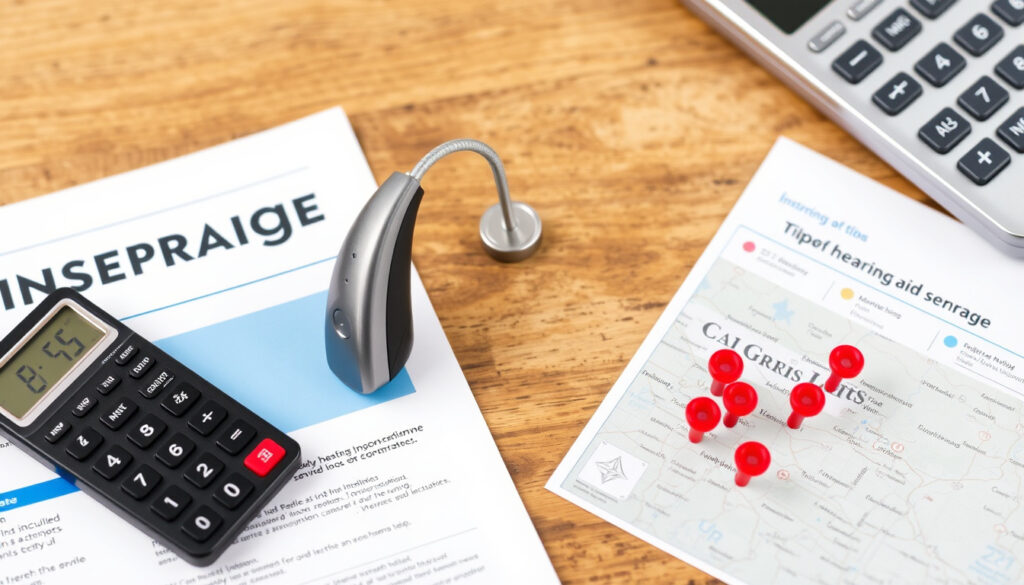
Hearing Aids Near Me: Cost, Coverage & Local Pros
Few purchases carry as much sticker shock as hearing aids, especially when you’re trying to figure out what Medicare will actually help with. The average person will spend thousands out of pocket, and understanding why — and where to find a better deal — can feel like a part-time job. This guide cuts through the confusion around hearing aids near you, comparing costs, coverage, and the providers who can help you hear better without breaking the bank.
Average cost per pair: $4,700 ·
U.S. adults with hearing loss: 1 in 8 (13%) ·
Adults who could benefit but don’t use them: 28.8 million ·
Costco pair price: $1,400–$1,500 ·
Medicare coverage for routine hearing aids: Not covered
Quick Snapshot
- Average out-of-pocket for a pair: ~$4,700 (National Council on Aging)
- Range: $2,000–$7,000 depending on features (Healthline)
- Costco: ~$1,400–$1,500 per pair (Medicare.tools)
- Original Medicare: not covered (Medicare.gov)
- Medicare Advantage: varies by plan (National Council on Aging)
- Medicaid: may cover, 25+ states have some coverage (National Council on Aging)
- Number 1: age-related (presbycusis) (UCSF EARS)
- Noise exposure is second (Medicare.gov)
- Medications and chronic disease also play a role (UCSF EARS)
- Find an audiologist or hearing instrument specialist (Healthline)
- Ask about trial periods and follow-up care (Humana)
- Consider OTC options if mild loss (FDA)
Six key numbers, one pattern: the real cost of hearing aids is hidden in the details of your coverage and provider choice.
| Fact | Value |
|---|---|
| Average cost per pair | $4,700 |
| U.S. adults with hearing loss | 1 in 8 (13%) |
| Adults who could benefit but don’t have one | 28.8 million |
| Costco pair price | $1,400–$1,500 |
| Adults 70+ with hearing loss | About 2 in 3 (68%) |
| Medicare coverage for routine hearing aids | Not covered |
What Is the Average Cost of a Pair of Hearing Aids Today?
When you search “hearing aids near me,” the first thing you’ll notice is the price range. It’s not a single number — it’s a bracket that depends on where you buy, what technology level you pick, and who you buy from. The national average for a pair is about $4,700, according to the National Council on Aging (Medicare and hearing policy research).
“A hearing aid is only as good as the person programming it. The same device can sound brilliant or muffled depending on who sets it up.” — Audiologist, private hearing clinic
The sticker price usually excludes the professional services that make the aids work — the exam, the fitting, the programming, and the follow-up visits. A “cheap” pair on paper often arrives with a higher total bill.
What Does the Price Include?
- Professional services: hearing test, fitting, and programming are often bundled into the quoted price.
- Follow-up care: many audiologists include adjustment visits for the first 1-3 years.
- Technology level: basic, mid-range, and premium models affect cost significantly.
According to the Healthline guide to Medicare and hearing (health policy analysis), most people pay between $2,000 and $7,000 for a pair of prescription aids from a clinic.
Why Do Prices Vary by Brand and Model?
Brands like Phonak, Oticon, and Signia invest heavily in research and development, and that cost appears in the price. A pair from a premium brand with AI features and Bluetooth streaming will run far more than a basic model from any manufacturer. The Virsono Hearing consumer guide (hearing care retail analysis) notes that prescription hearing aids commonly cost between $3,500 and $7,500 per pair from a clinic.
How to Compare Costs Across Providers
When you compare “hearing aids near me” providers, look beyond the device price. Ask for a bundled quote that includes the test, the device, and at least one year of follow-up. A provider that charges a lower device price but high per-visit fees may cost more over time. One Medicare.tools guide for beneficiaries (Medicare shopping resource) suggests the realistic range is $4,000 to $6,000 per pair.
Does Medicare Cover Hearing Aids for Seniors?
If you’re 65 or older and assume Medicare steps in, you’re in for a surprise. Original Medicare has excluded routine hearing aids and exams since it was established in 1965, according to UCSF EARS (university audiology clinic). The federal Medicare program (U.S. government health insurance) is explicit: beneficiaries pay all costs for hearing aids and the exams needed to fit them.
Medicare treats hearing aids as “routinely excluded” — not because they’re unimportant, but because the law was written that way in 1965 and hasn’t changed for original coverage.
What Medicare Parts Do and Don’t Cover
- Part B may cover a diagnostic hearing and balance exam if a doctor orders it to check for a medical condition — but not a routine hearing test.
- Part A does not cover hearing aids unless you’re an inpatient for a related procedure.
- Medicare Advantage (Part C) plans are required to offer the same core coverage as Original Medicare, but they can add routine hearing benefits as an extra. Options vary wildly by plan, so it pays to read the fine print.
The Centers for Medicare & Medicaid Services confirms that routine hearing aids and exams are not covered. National Council on Aging analysis (senior advocacy group) explains that while Medicare Advantage plans may offer hearing benefits, the coverage is not guaranteed — it’s plan-specific.
Medicare Advantage Alternatives
Some Medicare Advantage plans include a hearing allowance — a fixed dollar amount you can spend toward hearing aids. A MedicareFAQ analysis (Medicare plan broker) notes these allowances generally range from $250 to $2,500 per year. The catch: you’re often limited to the plan’s contracted network of providers. If you buy from an out-of-network audiologist, you may be off the hook for the full cost.
“The law hasn’t changed since 1965. Medicare was designed to cover acute medical needs, not long-term sensory devices.” — Medicare policy analyst
Out-of-Pocket and Assistance Options
Since Original Medicare won’t pay, you need a strategy. National Council on Aging (senior benefits guide) suggests comparing Medicare Advantage plans during open enrollment each year because hearing benefits are among the “extras” that change annually. Medicaid may cover hearing aids for low-income adults in 25+ states, but the coverage isn’t universal — a federal Medicare resource only confirms the original coverage rule, not state-level Medicaid expansions. For help navigating Medicare options, see our Social Security Payments Beneficiaries guide.
Does Costco Offer the Best Hearing Aid Prices Near Me?
Costco has become a major player in the hearing aid market by combining a membership warehouse model with in-store hearing centers. The chain sells private-label hearing aids made by major manufacturers like Phonak and as of 2025, they’re priced around $1,400 to $1,500 per pair, according to a Medicare.tools consumer guide. That’s about 30% of the national average — and the price includes the hearing test, fitting, and aftercare.
“We keep prices low because we buy in volume and include the basics — testing, fitting, follow-up — in the sticker price.” — Costco member service manager
Costco’s low prices are real, but you’re trading a small, personalized clinic experience for a big-box model. The catch: not every “hearing aids near me” need is a price problem — some people need specialist care for tinnitus or balance issues that Costco’s staff may not handle.
How Costco’s Pricing Compares to Retailers
- Costco: A pair runs about $1,400–$1,500 including a hearing test and fitting.
- Independent audiologists: Average $4,000–$6,000 per pair, with more personalized follow-up.
- Other big-box and online retailers: Some offer OTC aids for $200–$600 per pair, but these are often basic models for mild loss only.
Humana (Medicare insurer guidance) reports that hearing aids can cost between $200 and $7,000 or more per pair, so the range you see in a warehouse club isn’t the whole story.
Behind-the-Counter vs. Over-the-Counter Models
The hearing aid market changed in 2022 when the FDA (U.S. regulatory body) finalized rules for over-the-counter (OTC) hearing aids. OTC aids are intended for adults with mild to moderate hearing loss and cost as little as $200 per pair. But they’re not for everyone — Medical News Today (health news outlet) notes that more severe hearing loss or medical conditions like ear infections or sudden hearing loss require a medical evaluation. Costco’s hearing aids are prescription-grade, even if the price looks like a retail bargain.
Quality and Brand Options at Costco
Costco carries a house brand that’s often made by top manufacturers like Sonova (which owns Phonak) and WS Audiology (which owns Widex and Signia). A 2025 Medicare.tools hearing aid guide notes the company sells the Kirkland Signature brand, which is typically a previous-generation model from a major manufacturer. For many people, that’s a smart trade-off: last year’s technology at a fraction of the price, with the same fitting services.
How Much Does a Hearing Test Cost Near Me?
The cost of a hearing test is often the first surprise, and it’s separate from the hearing aid itself. If you don’t bundle the test with a device purchase, a comprehensive audiologic evaluation typically runs $50 to $250 at an independent clinic. Some providers waive the test fee if you buy hearing aids from them — but that’s not always the best deal.
Routine hearing exams are not covered by Original Medicare, according to the U.S. government’s Medicare site (federal health coverage). However, if you have symptoms like ringing or pain, a diagnostic exam may be covered under Part B. The difference is medical necessity — a doctor has to order the test to rule out a medical problem, not just to get a baseline.
A routine hearing test for a baseline is on you; a diagnostic test ordered by a physician to check for a medical condition may be covered by Part B.
What Does a Hearing Test Include?
- Otoscopy: An exam of your ear canal and eardrum.
- Pure-tone audiometry: You listen for tones and raise your hand when you hear them.
- Speech testing: You repeat words at different volumes to test clarity.
- Word recognition: Measures how well you understand speech at comfortable volume.
The Healthline hearing care guide (health information provider) emphasizes that the test fee is often a leveraging point: if you’re buying aids, providers may include the test in the bundle to close the sale.
How to Find Affordable Hearing Tests at Retail Chains
Large retail chains like Costco, Sam’s Club, and some big-box pharmacies offer in-store hearing tests. Costco’s test is often included with a hearing aid consultation and costs about $50 for non-members, though it’s sometimes free for members. Independent audiologists may charge more, but they also provide a more comprehensive diagnosis. If you have a choice, get a test from an audiologist who doesn’t sell hearing aids — they have no incentive to recommend a pair you don’t need.
When to Get Tested
If you’re 50 or older, the National Council on Aging (senior advocacy organization) recommends a baseline hearing test every few years, even if you don’t notice symptoms. Hearing loss is gradual — most people lose it so slowly that they don’t notice until a family member points it out. Early detection means you can start with less expensive, more flexible options like OTC aids or a lower-tech prescription pair. For safe at-home ear care before your test, see How to Unclog Ears: Safe Home Remedies.
What Are the Best Hearing Aid Brands and Which One Should I Choose?
Once you’ve decided the price is right, the next question is which brand to trust. The “best” brand for you depends on your hearing loss, lifestyle, and budget — not just the brand reputation. The top-tier manufacturers invest heavily in research, but they also charge a premium for it.
A Virsono Hearing retail guide (hearing care industry) outlines a few names you’ll see most often in U.S. clinics: Phonak, Oticon, Signia, Widex, Starkey, and ReSound. Each brand has a slightly different sound profile and feature set. Phonak is often praised for its Bluetooth connectivity, while Oticon is known for its “overall speech understanding” in noisy environments.
Don’t choose a brand based on a friend’s recommendation — choose a provider you trust. The same hearing aid model can sound completely different after a skilled audiologist programs it for your specific loss.
Top Hearing Aid Manufacturers and Their Focus
The following table breaks down each brand’s specialty and typical price range from clinic sales.
| Brand | Known for | Typical Price (per pair) |
|---|---|---|
| Phonak | Bluetooth streaming, excellent for tech-savvy users | $3,000–$7,000 |
| Oticon | Speech clarity, brain-health focused features | $3,500–$7,500 |
| Signia | Sleek style, tinnitus relief features | $3,000–$6,500 |
| Widex | Natural sound quality, great for music lovers | $3,000–$6,800 |
| Starkey | AI and health tracking features | $3,500–$7,000 |
| ReSound | All-rounder, good for mild to severe loss | $2,500–$6,000 |
Those price ranges are estimates from Medicare.tools hearing care data (consumer resource). However, there’s no standard list price for hearing aids — the cost is set by the provider, not the manufacturer, and it varies by location.
What About Costco’s Kirkland Brand?
Costco’s Kirkland Signature hearing aids are a unique case. For about $1,400–$1,500 a pair, you get a device that’s often a previous-generation model from a major manufacturer (frequently Phonak or ReSound) wearing a Kirkland badge. A 2025 Costco hearing aid review on Medicare.tools notes the brand is a solid value, but you’re gambling on a lesser-known model number that may have less research behind it than the flagship versions.
Hearing Aid Care and Maintenance
Regardless of which brand you buy, hearing aids require daily care. They’re exposed to earwax, moisture, and daily wear — the average device needs professional cleaning and dehumidification every 4-6 months. Some brands, like Phonak and Oticon, include a drying kit with your purchase. A National Council on Aging (senior hearing resource) points out that a $20 drying kit can extend the life of each device and is often the cheapest “accessory” you’ll ever buy for your hearing.
Medicare Part C: When “Extras” Include Hearing Aids
Since Original Medicare has never covered hearing aids, the private market — Medicare Advantage plans — fills the gap for millions of seniors. These plans (approved by the federal Medicare program) can include routine hearing benefits, but they’re offered by private insurers like UnitedHealthcare, Humana, Aetna, and hundreds of regional carriers. The coverage is far from uniform: some plans cover a $1,000 allowance toward a pair of aids, while others only pay for the initial exam.
A MedicareFAQ analysis (Medicare policy resource) found that Medicare Advantage plans often use specific hearing benefit vendors — networks you must use to get the discount. This is the “Costco model” applied to insurance: you sacrifice choice for a lower price. If you want to see an out-of-network audiologist, the hearing aid might not be covered at all.
A cheap Medicare Advantage plan with generous hearing benefits may trap you in limited networks or low-tier hearing aids that don’t meet your needs. The catch: the lowest-cost plan isn’t the best value once you account for the “network” and “tier” restrictions.
How Medicare Advantage Hearing Benefits Work
- Hearing aid allowance: Usually $250–$1,500 per ear every 2-5 years; you pay the difference.
- In-network providers: The plan’s contracted hearing center or audiologist sets the price.
- High-end limits: Many plans only cover devices in the “basic” or “intermediate” tier, not the premium tier.
A Healthline hearing coverage research found that a hearing aid allowance from a Medicare Advantage plan typically covers less than the total price. For example, if the best pair at your in-network provider costs $2,000 and your plan covers $1,000, you’re still $1,000 out of pocket. That’s still a better deal than paying full price at an independent clinic, but it’s not free.
Medicaid: The Safety Net for Low-Income Seniors
Medicaid is a joint federal-state program that covers some hearing aids for eligible low-income individuals. A National Council on Aging summary (senior benefits research) notes that over 25 states offer some hearing aid coverage to adult Medicaid recipients. The services are limited, but they’re a lifeline for people who don’t have thousands of dollars in savings. The catch: you must qualify financially, and the aid you get may be basic.
What Are the Main Causes of Hearing Loss in Elderly People?
Understanding why you’re losing your hearing is the first step to finding the right device. The most common cause is age-related hearing loss, a condition that affects about two-thirds of people over 70. The UCSF EARS program (university audiology clinic) notes that age-related hearing loss (presbycusis) is the leading cause, and it’s a natural part of aging — but that doesn’t make it any less disruptive.
Hearing loss in seniors is rarely a single cause — it’s often a mix of age-related damage and noise exposure, compounded by medication use and chronic disease.
Presbycusis: Age-Related Hearing Loss
Presbycusis is the gradual loss of hearing that occurs as we age. The National Council on Aging (hearing research) explains that this type affects the inner ear (cochlea) and the auditory nerve. The number “1 in 8” — about 13% of the U.S. population — is a common stat. It’s a slow decline that often starts high-pitched sounds first, making speech sound like a low mumble.
Noise-Induced Hearing Loss
Repeated exposure to loud noises damages the hair cells in the inner ear. The U.S. government hearing information notes that this is a permanent, irreversible process. A one-time exposure to an explosion can cause immediate damage, but more often it’s the cumulative effect of years of loud concerts, power tools, or lawn mowers. This type of loss is also common in older adults who’ve had decades of noise exposure.
Other Contributing Factors
Besides aging and noise, several other factors contribute:
- Medications: Some antibiotics, chemo drugs, and high-dose aspirin can damage hearing.
- Health conditions: High blood pressure and diabetes affect blood flow to the ear.
- Earwax: a block that can worsen your existing loss.
The UCSF audiology team (university medical center) adds that otosclerosis (stiffening of the middle ear bones) is another cause, although it’s less common in the elderly. If you have sudden hearing loss — a rapid drop in one ear — see a doctor immediately; that’s a medical emergency, not something to solve with a “hearing aids near me” search.
What Medications Are Used to Treat Hearing Loss?
No FDA-approved medication currently restores sensorineural hearing loss. Medical News Today (health news outlet) explains that treatment relies on devices — hearing aids, cochlear implants — or surgery for certain conductive types. Some medications, including certain antibiotics (aminoglycosides), chemotherapy drugs (cisplatin), and high-dose loop diuretics, can actually damage hearing. Always review side effects with your doctor if you notice changes after starting a new prescription.
Current Medical Treatments
For sudden sensorineural hearing loss, doctors sometimes prescribe oral or intratympanic corticosteroids if caught within two weeks, but this is not a cure for chronic age-related loss. The UCSF audiology program notes that research into regenerative therapies is ongoing but not yet available clinically.
When Medications Aren’t an Option
If medication can’t reverse your hearing loss, hearing aids remain the primary solution. For profound loss, cochlear implants may be appropriate. Surgery can treat some conductive causes, such as otosclerosis or chronic ear infections.
Medications That Can Harm Hearing
According to the National Council on Aging (senior health resource), more than 200 drugs are classified as ototoxic. Common culprits include certain antibiotics, chemotherapy agents, high-dose aspirin, and some diuretics. If you experience ringing or hearing changes after starting a medication, contact your doctor — early detection of ototoxicity can prevent permanent damage.
How Do I Find a Reliable Hearing Aid Provider Near Me?
Now comes the practical part: finding a provider you can trust with your hearing — and your wallet. A “reliable provider” isn’t just the closest store; it’s someone with the right credentials, a transparent pricing policy, and a track record of looking after your long-term care.
Start by looking for a licensed audiologist or hearing instrument specialist who is licensed to practice in your state. An audiologist holds either a Doctor of Audiology (Au.D.) or a master’s degree, and can perform hearing tests and fit hearing aids. A hearing instrument specialist (HIS) focuses on the technical side of hearing aids and has passed a state licensure exam. A Healthline hearing care guide explains that the term “hearing aid provider” can refer to both.
The best provider for you is the one who isn’t just trying to sell you a device, but who listens to your hearing needs and offers a trial period.
What to Look For in a Hearing Care Professional
- Licensure: State-specific license to practice audiology or hearing instrument fitting.
- Experience: How long have they been fitting hearing aids? Ask about their experience with your type of loss.
- Reputation: Check google reviews, the Better Business Bureau, and ask for patient references.
How to Compare Local Hearing Centers
Use these criteria to evaluate each provider you visit.
| Criterion | Why it matters |
|---|---|
| Scope of services | Do they offer hearing tests, fittings, and rehab? Can they handle tinnitus? |
| Pricing transparency | Do they provide a written quote that itemizes the device and services? |
| Trial period | Most reputable providers offer a 30-45 day trial period for hearing aids. |
| Follow-up schedule | Are follow-up visits included in the price? |
Questions to Ask Before You Buy
- What is the total cost of the hearing aids, including the test, fitting, and follow-up visits?
- How long is the trial period, and is there a restocking fee?
- What does your warranty cover, and for how long?
- What happens if I need adjustments or repairs in the future?
Take your time and visit more than one “hearing aids near me.” A Humana (Medicare insurer) guide recommends comparing at least two or three providers before making a decision. It’s a big purchase, and you shouldn’t let a fast-talking salesperson rush you.
How to Pay for Hearing Aids: Financing and Financial Assistance
Seeing the final price tag for a pair of hearing aids is jarring. But you don’t have to come up with the cash at the counter. Many providers offer payment plans through third-party financing companies like CareCredit or AllWell. A Medicare.tools financing guide suggests that 0% interest promotions are common if you pay within a certain period.
Financing Options in 2025
- Provider payment plans: Many clinics offer 0% interest if you pay within 12-24 months, but read the fine print for penalties.
- Health savings accounts (HSAs): If you have one, you can use pre-tax dollars.
- Hearing aid grants: Some non-profits and state agencies offer assistance for people with specific conditions.
A National Council on Aging (senior financial assistance summary) mentions that some “bundled” pricing may already include aftercare, audio streaming, and loss-of-device insurance coverage. Always ask what’s included in the final quote. There’s no point in budgeting for a $4,700 out-of-pocket cost if your plan includes a 10% discount from your insurance company.
OTC vs. Prescription Hearing Aids Near Me: What’s the Difference?
The FDA’s 2022 OTC rule created a new consumer category: hearing aids you can buy over-the-counter without a prescription or a hearing test. These are designed for adults with mild to moderate hearing loss. The U.S. Food and Drug Administration (regulatory agency) also notes that OTC hearing aids must meet the same quality standards as prescription aids, but they’re not intended for severe loss or for anyone under 18.
If you’re just starting to notice the signs of hearing loss and are looking for cheaper options, you might be tempted to try an OTC pair from a store or online retailer. But a Medical News Today (health care news) review cautions that OTC aids are a “one-size-fits-most” product. They don’t necessarily offer the same level of sound quality as a custom-fit device, and they often don’t include professional support.
For a $200–$600 OTC pair, you’re on your own for programming and aftercare. The catch: if you have any significant hearing loss, you’ll end up paying for a prescription device anyway, and the cheap pair becomes a doorstop.
Who Should Consider OTC?
- People with mild hearing loss who aren’t ready for a full prescription.
- Tech-savvy individuals comfortable with phone apps or self-fitting.
- Budget-conscious shoppers who aren’t eligible for hearing aid benefits.
Who Should Avoid OTC?
- Those with severe hearing loss, sudden loss, or dizziness.
- Anyone who wants a professional hearing test to rule out medical causes.
- People who need custom programming for a specific type of loss.
The Trade-off
OTC aids are cheaper up front, but the cost of the hearing test you skipped might be the best investment you make — it tells you whether you’re a candidate for OTC at all.
Hearing Aids Near Me: A Blueprint for Next Week
You don’t have to fix your hearing in a day. The data suggests a smarter path: get a baseline hearing test this week — not a hearing aid sales pitch, just a test. Whether you choose a retail clinic like Costco for the price or an audiologist for the personalized care, the pattern is identical: start with the test, then compare providers, then decide on the coverage you’ll use.
Warning Signs You Need a Test This Month
- You repeatedly ask people to repeat themselves.
- Others mention that the TV volume is too loud.
- You have trouble hearing in group conversations.
People who address hearing loss early tend to stay more socially connected, which is crucial since hearing and memory are linked.
How Much Does a Pair of Hearing Aids Cost in 2025? The Bottom Line
There’s no single price for a pair that works for everyone. The range is wide — roughly $1,400 to $7,000 for a pair that OTC and prescription devices, Medicare Advantage, and Costco all offer. But the difference between the top and bottom of that range isn’t just about the device — it’s about the service, the warranty, and the fitting. And when it comes to hearing, you get what you pay for.
For the 60+ consumer in the U.S. who’s paying out of pocket, the choice is clear: either find a high-value provider like Costco and reinvest the savings into better follow-up care, or pay a premium for an audiologist who offers a more specialized experience. Even better, combine the two — get the professional test from an audiologist and then look for a cheaper provider to buy from.
How to Clean and Maintain Your Hearing Aids for Longevity
Dirt, sweat, and earwax are the enemies of your expensive purchase. A hearing aid is a microcomputer and a speaker in your ear, and both need care. Healthline’s hearing care team recommends including a cleaning kit — a small brush, a wax pick, and a dehumidifier — in your purchase price.
Daily maintenance is simple: wipe your aids with a dry cloth, use the brush to clear the speaker vent, and leave the battery door open at night. If you have deep or excessive earwax, see your doctor instead of using a pick — you could damage the device or your ear.
Hearing Aid Care Checklist
Follow this routine to keep your devices performing at their best.
| Routine | Frequency | What to do |
|---|---|---|
| Wipe down | Daily | Use a dry, soft cloth to remove wax and moisture. |
| Deep clean | Weekly | Remove the dome or earmold and clean with a dry towel. |
| Dry out | Every night | Place in a hearing aid dryer or dehumidifier. |
| Store | When not in use | Keep in a sterile container away from heat and pets. |
Frequently Asked Questions
Do hearing aids work well for mild hearing loss?
Yes, especially if you choose an OTC model designed for mild loss. Hearing aid benefit from even mild loss is a key driver of overall satisfaction. A National Council on Aging report notes that hearing aid use is associated with lower rates of cognitive decline.
What is the average cost of a pair of hearing aids in 2025?
Around $4,700 per pair, but you can find better prices at Costco and from OTC brands. The Humana hearing benefit page estimates a range of $2,000 to $7,000, depending on features.
Can I buy hearing aids without a prescription?
Yes, the FDA’s 2022 rule allows OTC hearing aids to be sold directly to consumers for mild-to-moderate loss.
How often should I get my hearing tested?
If you’re over 50, get a baseline test and then a check-up every one to two years. If you notice a sudden change, see a professional immediately.
Are there financial assistance programs for hearing aids?
Yes. Medicaid covers them in some states, the VA may cover them for veterans, and many non-profits offer grants for low-income adults.
How do I clean and maintain my hearing aids?
Wipe them daily, dry them nightly, and have a professional deep-clean every few months. Replacement tips and domes are inexpensive — don’t wait until they hurt your ear.
What is the best hearing aid brand for the price?
Costco’s Kirkland brand is widely considered a top value for prescription-grade devices, but the best brand is the one that gives you clean, continuous amplification — not a brand with a mixed reputation.
Can I wear a hearing aid if I have tinnitus?
Yes. Some hearing aids include a masking feature that emits a sound at a level that reduces the perception of tinnitus. Look for OTC or prescription models with this feature.
How do I get a hearing aid if I can’t afford one?
Start with a free hearing screening, then ask about discounts, financing, and trial periods. Use a hearing aid comparison chart from the National Council on Aging to understand the true price and the payment plans that can help you manage it.
More related posts
 Where to Watch Texans vs Pittsburgh Steelers: TV & Stream
 USD to INR Exchange Rate Today: Live Rate 94.05 & Forecast
 Criminal Minds Season 18: Release Date, Cast, Episodes Guide
 6 Minute Solar Eclip e 2027: Be t Place and Safety Guide
 Mexican Street Corn Salad Recipe (Easy & Authentic)
 Google Pixel 10 Release Date: Launch, Price, Comparison
 Elon Musk Black Eye: Verified Explanation Behind Bruise
 Old Navy Christmas Pajamas: Family Matching Sets & Sale Guide