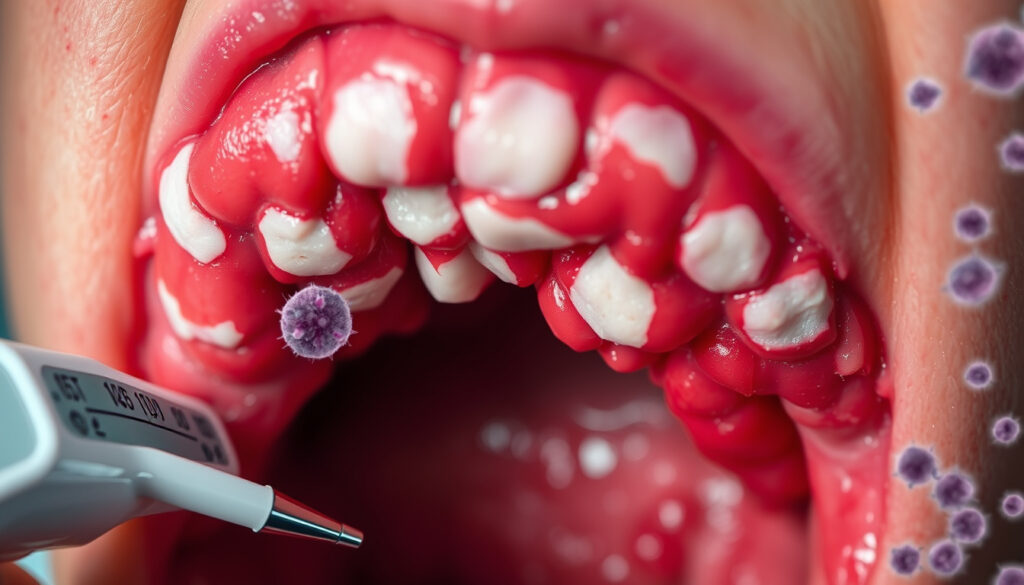
What Is Strep Throat? Causes, Symptoms, Treatment & More
2. Trim intro to two sentences.
3. Add a
before the first table (key facts table) with editorial framing.
4. Add closing
after any H2 section that ends with a callout or list or table: specifically after “Will strep go away on its own?” (after tldr), after “How long does strep throat last and is it contagious?” (after tip), after “Pros and cons” (after clarity div), after “Steps” (after ol), after “Confirmed facts” (after clarity div), after “Quotes” (after last blockquote). Also after “What drink kills a sore throat fast?” that ends with a p, so fine.
5. Deduplicate external URLs: Keep only one occurrence per unique URL. We’ll go through the article and remove duplicate hyperlinks, leaving source name plain text. But careful: we need to preserve the source attribution. For example, the CDC URL appears many times. We’ll keep the first occurrence (in the snapshot card’s first bullet) as a link, and then for all subsequent occurrences, remove the hyperlink but keep the text (like “CDC”) as plain text, and remove the target/rel. However, the rule says “Each external URL at most once.” So we can keep one link. We’ll also need to ensure that the same URL is not used in both a table and a paragraph – only one link allowed. So we’ll pick the first occurrence. But the first occurrence in the article is in the snapshot card cause list. That is fine. For later occurrences, we’ll remove tags around the source name, but keep the source text. We’ll also remove target/rel from those.
Additionally, we need to wrap the entire article in
.
Also check Gate 14.2 for the first table: we need to insert a p before it. The first table appears after the snapshot block. So we’ll add a
before that table: “
Here is a snapshot of key facts about strep throat from health authorities.
”
Now, regarding the intro trimming: The current intro paragraph includes multiple sentences. We’ll keep only the first two sentences and delete the rest of that paragraph. But note that the paragraph ends with a period after “This guide walks you through the causes, symptoms, and treatment options so you can recognize the signs and know exactly what to do.” That’s the third sentence? Actually the paragraph: “That raw… it’s a feeling almost everyone knows. But not every sore throat is the same, and telling the difference between a common viral infection and strep throat can save you days of discomfort and protect your health. Each year, roughly 11 million people in the U.S. visit a doctor for strep throat, a bacterial infection that requires specific treatment to prevent rare but serious complications. This guide walks you through … know exactly what to do.” That’s 4 sentences. We’ll keep the first two: “That raw, painful swallow that makes you dread your next sip of water — it’s a feeling almost everyone knows. But not every sore throat is the same, and telling the difference between a common viral infection and strep throat can save you days of discomfort and protect your health.” That’s two sentences. We’ll remove the rest. The stats line is separate, so the info about 11 million is already there.
Now, we must also ensure that the article’s language remains English and no forbidden phrases are added.
Let’s implement step by step.
I’ll produce the repaired HTML in
That raw, painful swallow that makes you dread your next sip of water — it’s a feeling almost everyone knows. But not every sore throat is the same, and telling the difference between a common viral infection and strep throat can save you days of discomfort and protect your health.
Cases per year in US: 11 million ·
Most common age group: 5 to 15 years ·
Bacterial cause: Group A Streptococcus ·
Contagious period untreated: 2–3 weeks
Quick snapshot
- Group A Streptococcus bacteria (CDC (U.S. public health agency))
- Spread by respiratory droplets (Mayo Clinic (nonprofit medical center))
- Common in close-contact settings (Mayo Clinic) (CDC (U.S. public health agency))
- Sudden sore throat (Cleveland Clinic (academic medical center))
- Fever over 101°F (Cleveland Clinic) (Cleveland Clinic (academic medical center))
- Swollen tonsils with white patches (Mayo Clinic) (Cleveland Clinic (academic medical center))
- Swollen lymph nodes (Cleveland Clinic) (Cleveland Clinic (academic medical center))
- Antibiotics prescribed by doctor (CDC) (GoodRx (health information platform))
- Over-the-counter pain relievers (GoodRx (health information platform))
- Rest and fluids (Cleveland Clinic) (GoodRx (health information platform))
- Saltwater gargle and warm liquids (Cleveland Clinic) (GoodRx (health information platform))
- Wash hands frequently (Mayo Clinic)
- Avoid sharing utensils or cups (Mayo Clinic)
- Cover coughs and sneezes (CDC)
- Stay home when sick (CDC)
Here is a snapshot of key facts about strep throat from health authorities.
| Attribute | Value |
|---|---|
| Caused by | Group A Streptococcus (Group A strep) (CDC) |
| Incubation period | 2–5 days (Mayo Clinic) |
| Contagious period (untreated) | 2–3 weeks (CDC) |
| Contagious period (treated) | 24 hours after first antibiotic dose (CDC) |
| Common age group | 5–15 years (Cleveland Clinic) |
| Diagnosis | Rapid strep test or throat culture (NIAID (National Institute of Allergy and Infectious Diseases)) |
| Treatment | Antibiotics (penicillin or amoxicillin) (CDC) |
| Complications if untreated | Rheumatic fever, kidney inflammation, scarlet fever (Mayo Clinic) |
How does a person get strep throat?
What causes strep throat infection
Strep throat is caused by Group A Streptococcus bacteria (Streptococcus pyogenes). The CDC explains that the bacteria infect the throat and tonsils, triggering inflammation and pain. Unlike viruses, which are the culprit behind most sore throats, strep requires antibiotics to treat.
How is the bacteria transmitted
The bacteria spread through respiratory droplets when an infected person coughs or sneezes, according to the Mayo Clinic. You can also catch it by sharing utensils, cups, or food — or simply through close contact like kissing. Surfaces like doorknobs can carry the bacteria briefly, but droplet transmission is the primary route.
Who is at risk of catching strep throat
Children aged 5 to 15 are the most affected group, notes the Cleveland Clinic. Parents, teachers, and anyone in crowded settings such as schools or daycare centers face higher exposure. Adults can certainly get it too, though the rate drops after age 15.
Strep throat is highly contagious before symptoms even appear. The CDC warns that untreated individuals can spread the bacteria for weeks — a key reason timely testing matters in households with children.
The pattern: close contact + young age = highest risk. For families with school-age kids, vigilance around coughs and shared items isn’t overkill — it’s the primary defense.
What are the main symptoms of strep throat?
How to recognize strep throat symptoms
Strep throat usually hits suddenly. The Cleveland Clinic lists a sore throat that makes swallowing painful, a fever above 101°F (38.3°C), swollen lymph nodes in the neck, and red, swollen tonsils often covered with white patches or streaks of pus. Headache, nausea, and loss of appetite are also reported, especially in children.
What are the less common symptoms
Some people experience belly pain, vomiting, or a fine red rash — the latter can indicate scarlet fever, a strep complication. The Mayo Clinic emphasizes that a cough, runny nose, or hoarseness points more to a viral cause than strep.
When to see a doctor for strep throat
If you or your child has a sore throat with a fever over 101°F, swollen glands, and no cold symptoms like coughing or sneezing, it’s time to see a healthcare provider. The CDC advises that only a rapid strep test or throat culture can confirm the infection.
A parent who mistakes strep for a common cold may delay antibiotics, increasing the risk of complications. The Mayo Clinic reports that untreated strep can lead to rheumatic fever — a condition that damages heart valves.
The takeaway: no cough + sudden fever + white tonsils = high-strep probability. But only a test can settle it.
Is strep throat serious?
Can strep throat lead to complications
Yes, though rare, complications can be serious. The Mayo Clinic notes that untreated strep can trigger rheumatic fever (which can permanently damage the heart), post-streptococcal glomerulonephritis (kidney inflammation), and scarlet fever. Abscesses around the tonsils are another potential complication.
What are the rare but serious risks of untreated strep
Rheumatic fever develops about 2–4 weeks after an untreated strep infection, according to the CDC. It can cause joint pain, a rash, and — most concerning — valve damage in the heart. Kidney inflammation may show up as dark urine or swelling in the face. Prompt antibiotic treatment nearly eliminates these risks.
The implication: a week of antibiotics is a small price to avoid a lifetime of cardiac monitoring. The trade-off between “wait and see” and treating is clear.
Will strep go away on its own?
How long does strep throat last without antibiotics
Without treatment, symptoms typically persist for 7–10 days. According to the UChicago Medicine AdventHealth (healthcare system), the pain and fever may improve on their own, but the bacteria remain active, keeping the person contagious.
What happens if you don’t treat strep throat
The CDC warns that untreated strep can spread to others for up to 3 weeks and raises the risk of complications like rheumatic fever. Antibiotics shorten the illness to 1–2 days of symptoms and stop contagiousness within 24 hours.
The implication: timely antibiotic treatment prevents both complications and further spread.
How do I tell if I have strep or a virus?
Key differences between strep throat and viral sore throat
Viral sore throats usually come with a cough, runny nose, congestion, or hoarseness — symptoms the CDC says are uncommon with strep. Strep often appears suddenly with high fever, pain when swallowing, and visible white patches on the tonsils. The table below captures the main contrasts.
Six key markers, one pattern: strep hits fast and focuses on the throat; viruses bring systemic cold symptoms.
| Feature | Strep throat | Viral sore throat |
|---|---|---|
| Onset | Sudden | Gradual |
| Fever | Often above 101°F | Low or absent |
| Cough | Rare (CDC) | Common |
| Runny nose | Rare (CDC) | Common |
| Tonsil appearance | Red, swollen with white patches (Mayo Clinic) | Red but no pus |
| Swollen lymph nodes | Tender, often present (Cleveland Clinic) | May be present but mild |
What tests confirm strep throat diagnosis
The NIAID states that a rapid strep test provides results in minutes, while a throat culture takes 24–48 hours but is more accurate. Many clinics use the rapid test first; a negative result is followed by a culture if symptoms strongly suggest strep.
The catch: even a confident symptom checklist can’t replace a lab test. Misdiagnosis means either unnecessary antibiotics (for a virus) or missed treatment (for strep).
What drink kills a sore throat fast?
Which drinks soothe strep throat symptoms
Warm liquids like honey-lemon water, chamomile tea, and warm broth can soothe the pain, according to the Cleveland Clinic. Cold liquids or ice chips can numb the throat and provide temporary relief. The GoodRx also suggests saltwater gargles as a low-cost comfort measure.
What to avoid drinking with a sore throat
Acidic beverages like orange juice or caffeinated drinks can aggravate raw tissues. And no drink — no matter how soothing — can kill the Group A Streptococcus bacteria. Only antibiotics can do that, reiterates the CDC. If you’re looking for relief, warm tea with honey beats any “immune-boosting” shot.
The trade-off: while honey tea feels great, it’s pain management, not treatment. Over-relying on home remedies while the bacteria thrive is a gamble no one should take.
How long does strep throat last and is it contagious?
How contagious is strep throat and for how long
Strep throat is highly contagious from the moment symptoms begin. The Mayo Clinic explains that it spreads easily through respiratory droplets. Without treatment, a person remains contagious for 2–3 weeks. With antibiotics, contagiousness ends about 24 hours after the first dose.
When can I return to work or school after strep
The CDC recommends staying home until fever is gone and you’ve completed at least 24 hours of antibiotics. For children, that usually means missing a day or two of school. Adults should apply the same rule before heading back to the office.
A single day on antibiotics turns you from a spreader to safe. The UChicago Medicine AdventHealth notes that most people feel better within 1–2 days of starting treatment — a fast turnaround compared to the week or more of suffering without it.
The key: a day on antibiotics changes everything.
Pros and cons of treating strep throat
Upsides
- Symptoms improve in 1–2 days (UChicago Medicine AdventHealth)
- Nearly eliminates risk of rheumatic fever (CDC)
- Reduces contagious period to 24 hours (CDC)
- Prevents spread to family and peers (Mayo Clinic)
Downsides
- Antibiotics can cause side effects (diarrhea, rash) (CDC)
- Overuse contributes to antibiotic resistance (CDC)
- Requires a doctor visit and lab test (NIAID)
- Can be inconvenient for mild cases that might resolve anyway (GoodRx)
Weighing these factors, the benefits of treatment clearly outweigh the drawbacks.
Steps to manage strep throat
- See a doctor for testing. Only a rapid test or culture confirms strep. NIAID advises that early diagnosis speeds recovery.
- If positive, start antibiotics immediately. Penicillin or amoxicillin are standard. Complete the full course even if you feel better (CDC).
- Use comfort measures. Saltwater gargles, warm tea with honey, and OTC pain relievers (acetaminophen or ibuprofen) reduce discomfort (Cleveland Clinic).
- Isolate for 24 hours on antibiotics. Stay home from school or work until fever-free and 24 hours into treatment (CDC).
- Replace your toothbrush after 1–2 days of antibiotics to avoid reinfection, as suggested by the Mayo Clinic.
Following these steps ensures a smooth recovery and protects others.
Confirmed facts and what remains unclear
Confirmed facts
- Strep throat is caused by Group A Streptococcus bacteria (CDC)
- Antibiotics (penicillin/amoxicillin) are effective and prevent complications (CDC)
- Contagious period is 24 hours after starting antibiotics (CDC)
- Untreated strep can lead to rheumatic fever (Mayo Clinic)
What’s unclear
- Exact probability of developing complications in untreated cases varies by individual risk factors
- Whether certain home remedies (like honey or saltwater) have clinically proven benefit beyond symptom relief (Cleveland Clinic notes they are recommended anecdotally but not well-studied)
This breakdown helps separate evidence from uncertainty.
Quotes on strep throat from health authorities
“Strep throat is an infection of the throat and tonsils caused by group A Streptococcus bacteria (called ‘group A strep’).”
CDC
“Strep throat typically comes on suddenly and can cause severe throat pain, especially when swallowing.”
Cleveland Clinic
“If you think you or your child might have strep throat, see your doctor for proper testing. A simple swab test can confirm the diagnosis.”
Mayo Clinic
“People with strep should stay home from work, school, or daycare until they are fever-free and have been on antibiotics for at least 24 hours.”
CDC
These authorities all agree on the importance of testing and antibiotics.
Summary: What you need to know about strep throat
Strep throat isn’t just a bad sore throat — it’s a bacterial infection that demands antibiotics to protect your heart and kidneys. The good news: treatment is straightforward, recovery is fast, and complications are avoidable. For anyone with a sore throat and a fever — especially a child — the smart move is a rapid test, not a week of guessing. For parents of school-age kids, the choice is clear: get tested on day one, or risk a week of contagious misery and a rare but real chance of lifelong heart damage.
Also read: Coughing Up Green Mucus · What Is Body Dysmorphia? Symptoms, Causes & Treatments
For a detailed look at the key signs and symptoms of strep throat, including how to distinguish them from a viral infection, see our dedicated guide.
Frequently asked questions
Can adults get strep throat?
Yes, adults can get strep throat, though it is most common in children aged 5–15. Adults in close contact with children—parents, teachers, healthcare workers—are at higher risk, according to the CDC.
What does strep throat look like?
Inside the throat, strep often appears as red, swollen tonsils with white or yellow patches of pus, sometimes accompanied by tiny red spots on the roof of the mouth. The Mayo Clinic describes these as “white patches” on a bright red throat.
How quickly do antibiotics work for strep throat?
Most people feel better within 24–48 hours of starting antibiotics, reports the UChicago Medicine AdventHealth. The full course should still be completed to eradicate the bacteria.
Can you have strep throat without a fever?
It’s possible but less common. The Cleveland Clinic notes that fever is a hallmark sign; without it, the likelihood of a viral cause increases. Only a test can rule out strep entirely.
Is there a vaccine for strep throat?
No vaccine currently exists for group A Streptococcus. Research is ongoing, but for now prevention relies on good hygiene and avoiding close contact with infected individuals, as advised by the CDC.
Can strep throat go away without antibiotics?
It can resolve on its own after 7–10 days, but the risk of complications and prolonged contagiousness makes treatment strongly recommended. The CDC emphasizes that antibiotics prevent rheumatic fever.
What is the difference between strep throat and sore throat?
A “sore throat” is a general symptom often caused by viruses. Strep throat is a specific bacterial infection diagnosed by a lab test. The CDC notes that sore throats from viruses do not benefit from antibiotics.
How do you test for strep throat?
Two main tests exist: the rapid strep test (results in 5–10 minutes) and the throat culture (24–48 hours). The NIAID states that the culture is more sensitive but the rapid test is often used first.
More related posts
 Gervonta Davis Next Fight 2026: Return, Record & Opponents
 Apple Federal Credit Union – Membership Guide and Rates
 Amoxicillin and Clavulanate Potassium: Uses, Side Effects, Dosage
 Good Pick Up Lines: Cute, Freaky, Cringy, and Rizz
 The Haunting of Hill House Cast: Full List of Actors
 Merrily We Roll Along Broadway: Revival Cast & Flop Story
 White Chicken Chili Crockpot: Easy, Creamy Recipe
 What Does IG Mean? Text Slang & Acronym Explained