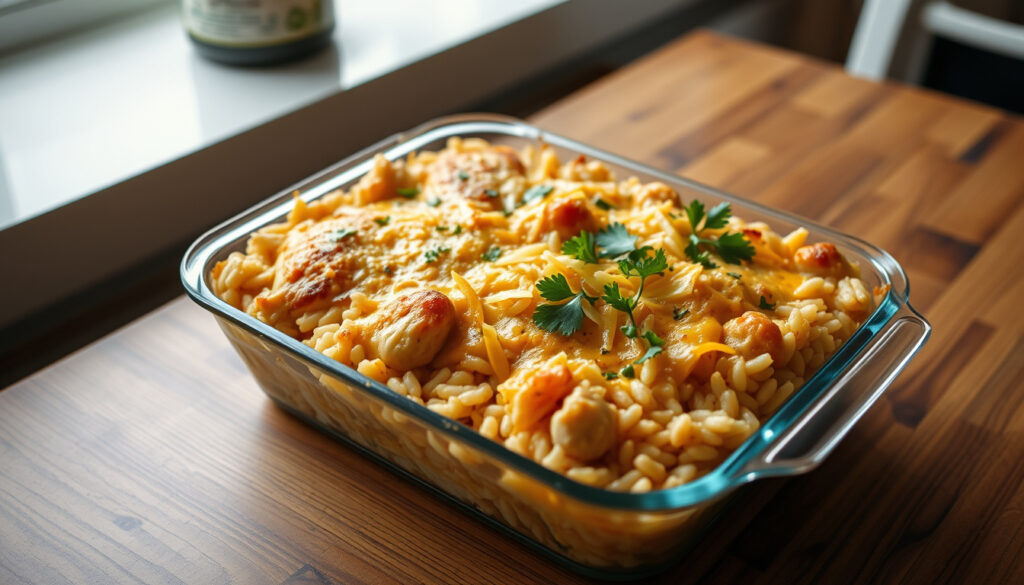
Chicken and Rice Casserole: Easy, 4-Ingredient Guide
There’s something deeply comforting about a bubbling chicken and rice casserole, especially when it emerges from a 9×13-inch dish with a golden, slightly crisp top. But if you’ve ever pulled one out of the oven to find crunchy rice or a dry, bland interior, you know this classic can be deceptively tricky. The secret isn’t just about following a recipe—it’s about understanding the delicate balance of liquid, time, and heat. In this guide, we’ll walk you through every step, from choosing the right ingredients to avoiding the common pitfalls, ensuring your casserole turns out creamy and flavorful every single time. We’ll also look at what makes a recipe truly easy, perfect for a weeknight dinner.
Core Ingredients
Chicken, rice, cream of chicken soup, and water — just four basics.
Source: Allrecipes
Before diving into the method, here are the key specifications that define a classic chicken and rice casserole in a 9×13-inch pan.
| Key Detail | Specification |
|---|---|
| Dish size | 9×13 inches |
| Oven temperature | 350°F |
| Bake time | 1 hour 15 minutes (Spend With Pennies) |
| Base ingredients | Chicken, rice, cream of chicken soup, water (Allrecipes) |
| Common thickener | Condensed soup or cheese sauce |
| Covering method | Tight foil cover for most of the bake time |
| Rice type | Long-grain white rice (not instant) |
| Liquid-to-rice ratio | At least 1:1.5 cups, often more due to chicken absorption |
What is a Good Chicken and Rice Casserole?
A good chicken and rice casserole hits a specific sweet spot: the rice is fluffy and tender, the chicken stays moist, and the sauce is creamy and well-seasoned throughout. It should feel like a complete, satisfying meal that comes together without excessive fuss or specialty equipment.
Key characteristics define this ideal result. The rice should be fluffy, not mushy or crunchy. The sauce should be creamy and flavorful, not bland or watery. It should be a complete, satisfying one-dish meal. And it should be easy to assemble with common ingredients.
What are the Ingredients for a 4-Ingredient Chicken and Rice Casserole?
Before you even think about preheating your oven, take a moment to gather your ingredients and understand your canvas. A 9×13-inch casserole dish is your standard, and it’s perfect for a one-dish meal.
The classic 4-ingredient version relies on pantry staples. Spend With Pennies’ recipe uses chicken, rice, cream of chicken soup, and onion soup mix. Allrecipes’ popular “Mamaw’s Chicken and Rice Casserole” similarly combines chicken, rice, cream of chicken soup, and water. The cooking liquid can be water or chicken broth, depending on your preference.
- Chicken: Boneless, skinless breasts work, but thighs yield juicier results.
- Rice: Long-grain white rice is standard; instant rice changes timing and texture.
- Cream of chicken soup: The classic thickener and flavor base.
- Liquid: Water or chicken broth, measured precisely.
Step-by-Step: How to Make It in a 9×13 Pan
Getting that 9×13-inch dish greased and your mise en place ready means you won’t be scrambling when the timer starts.
- Preheat your oven to 350°F so it’s ready when you are.
- Measure out your rice and liquids precisely—this is the most critical step for perfect texture.
- Grease the 9×13-inch dish lightly to prevent sticking.
Unlike some recipes that require multiple pots, most chicken and rice casseroles come together in a single dish.
- Combine the liquids: In your 9×13-inch dish, whisk together your cream of chicken soup (or soup and water mixture) with the specified amount of water.
- Season the rice: Add the uncooked rice to the liquid mixture and stir to ensure every grain is coated.
- Add the chicken: Nestle the chicken pieces into the rice mixture, ensuring they’re partially submerged.
This “all-in-one” method is popular because it creates a flavorful broth that partially cooks the chicken while infusing the rice from the bottom up.
- Cover tightly: Seal the dish with foil to trap steam and ensure even cooking.
- Bake for the long haul: Bake at 350°F for approximately 1 hour. This longer bake time allows the rice to absorb all the liquid. According to Spend With Pennies, a typical timeline is about 1 hour 15 minutes.
The science here is simple: gentle heat in a covered dish equals perfectly steamed rice. The rice should be fluffy, not mushy or crunchy.
What to Avoid: Common Mistakes
Our research into this dish’s common pitfalls shows a few repetitive themes that lead to disappointment.
- Lifting the foil: Peeking releases steam and drops the oven temperature, leading to crunchy, undercooked rice.
- Skimping on liquid: Not adding enough liquid can result in crunchy, undercooked rice. A general rule is at least 1:1.5 cups of liquid to rice, but many casserole recipes require more due to the chicken absorbing some.
- Underseasoning: If the recipe says “salt to taste,” it means you need to flavor the water, not just the final dish.
- Using the wrong rice: Instant rice will change the cooking time and texture; stick with long-grain white rice.
- Baking uncovered: When a recipe calls for covering, baking uncovered can dry out the casserole.
Avoiding these pitfalls is the difference between a mediocre and a memorable casserole.
Popular Recipe Variations and Their Trade-Offs
Different recipes take slightly different approaches, and understanding the trade-offs helps you choose the right one for your priorities.
| Variant | Common Base Liquid | Typical Bake Time | Pros |
|---|---|---|---|
| Classic Condensed Soup | Cream of chicken soup + water | ~1 hour 15 min | Easily accessible, highly reliable, creamy sauce. (Allrecipes) |
| From Scratch Style | Chicken broth + heavy cream | Usually less (closer to 45-50 min) | More control over salt and flavor, less processed. – Crayons & Cravings |
| Lighter Cream Cheese | Chicken broth + cream cheese | Variable | Tangy flavor, creamy texture without the “canned” taste. – Pinch of Yum |
The higher-fat dairy options (like cream) can sometimes curdle at 350°F if not stirred properly, whereas condensed soup is more forgiving. If you prefer a truly hands-off meal that yields consistent, classic results, the all-in-one baking method is your safest bet.
Upsides of Classic Condensed Soup
- Highly reliable results every time
- Minimal ingredients needed
- Forgiving with bake time
Downsides of Classic Condensed Soup
- Higher sodium content
- Less control over flavor profile
- “Canned” taste some dislike
Why the Covered, All-In-One Method Works
As the chicken cooks, it releases juices that meld with the cooking liquid, creating a deeply flavorful broth. This eliminates the need to brown the chicken first in risky hot oil, which can cause splatters and is prone to often being left out of instructions causes dry chicken. The lid acts as a self-basting device, ensuring no part of the pan dries out.
The covered method also regulates temperature more evenly, preventing hot spots that can overcook the chicken or scorch the rice at the edges. This makes it more forgiving for home cooks.
What is the Most Popular Chicken Casserole Recipe?
Across recipe platforms, “Mamaw’s Chicken and Rice Casserole” is a high-ranking, popular recipe on Allrecipes. It’s celebrated for its simplicity and nostalgic appeal, combining just four core ingredients in a single dish.
Its popularity stems from reliability — the kind of recipe passed down and trusted for family dinners. The popularity ranking is based on user reviews and engagement, not a single authoritative source.
The enduring appeal of such recipes lies in their accessibility: common ingredients, straightforward steps, and consistent results.
Related reading: Chicken and Rice Casserole: 9 Mistakes and Quick Fixes · White Chicken Chili Crockpot: Easy, Creamy Recipe
cleverlysimple.com, saltandlavender.com, lemontreedwelling.com, mastersofkitchen.com, baker.recipes, allrecipes.com, thefoodcharlatan.com
Frequently Asked Questions
Do I have to use raw chicken?
Yes, most classic recipes call for raw chicken that cooks in the oven alongside the rice. Just be sure to reduce the bake time by 15-20 minutes if using pre-cooked chicken to avoid overcooking it.
What if it’s still too soupy after the bake time?
If the casserole is too soupy, it likely needs more time — cover it again and bake for an additional 10-15 minutes. If it’s still loose, you may have used too much liquid or the wrong type of rice (instant rice releases more starch).
Can I use brown rice instead of white rice in this casserole?
Yes, but you’ll need to increase both the liquid and the bake time significantly — brown rice typically requires about 30-45 minutes more and an extra 1/2 cup of liquid per cup of rice.
How long should I bake the chicken and rice casserole?
At 350°F, a standard all-in-one casserole takes about 1 hour to 1 hour 15 minutes when covered. If your chicken and rice are already cooked, reduce the time to 25-30 minutes.
What can I use instead of cream of chicken soup?
You can substitute with a homemade white sauce (butter, flour, and chicken broth) or use cream of mushroom soup for a different flavor profile. Greek yogurt or cream cheese can also work but may curdle at high heat.
What is the best chicken to use — breasts or thighs?
Boneless, skinless chicken breasts are common, but they can dry out. Using boneless, skinless thighs will yield a juicier result if you allow a slightly longer bake time.
Final Thoughts
Mastering a chicken and rice casserole is about patience and trust in the process. Trust your measurements, trust the 350°F heat, and resist the urge to peek. Your reward will be a comforting, homey dish that delivers on taste repeatedly. So, gather your 9×13-inch dish, your ingredients, and let the simple magic of a covered casserole do its work.
The beauty of this dish is its forgiving nature when you follow the fundamentals — precise liquid ratios, tight covering, and patience. Once you understand the core principles, you can adapt with confidence.
More related posts
 How to Deal with a Narcissist: Expert Strategies and Tips
 What Was the Emergency at the White House Today? | Latest Updates
 Dick Van Dyke Show: Cast, Episodes & Streaming Guide
 Voyager of the Seas: Current Location, Itinerary & Tips
 What Is a Fortnight? Definition, Origin, and Usage
 Mexico National Football Team Matches: Schedule, Results & Where to Watch
 No Country for Old Men Cast: Actors, Characters & Where They Are
 Over the Toilet Storage Guide: Best Ideas, Cabinets & Trends 2026