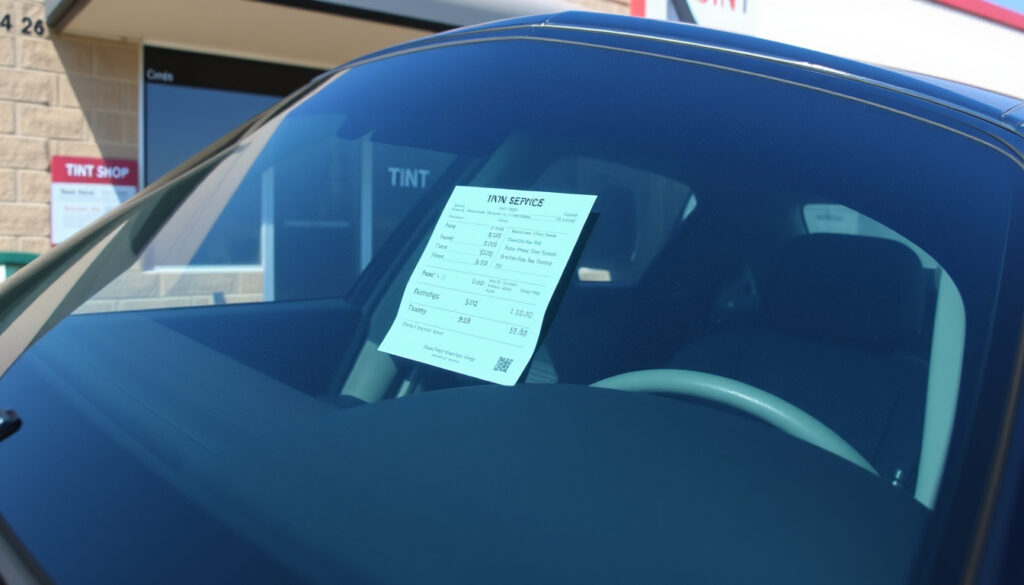
Tint Shops Near Me: Costs, Laws & Ticket Fines Explained
You see a car with perfectly dark windows and wonder if it’s legal and what a ticket would cost – but the truth is that window tint laws vary wildly by state, affecting both fines and legal limits. This guide cuts through the confusion with a practical breakdown of costs, tickets, and legal requirements.
Average full-car window tint cost: $200–$500Darkest legal front side tint in North Carolina: 35% VLTWindow tint ticket fine range in California: $25–$250Typical window tint lifespan: 5–10 yearsFlorida legal limit for front side windows: 28% VLTPennsylvania legal limit for front side windows: 70% VLT
Key Facts at a Glance
- Legal VLT (Visible Light Transmission) limits vary significantly—front side windows often require 35% or higher VLT. (TintGrade)
- Some states, like Texas, treat tint violations as Class C misdemeanors, which carries specific legal implications. (TrafficTicketFine)
- A typical window tint lasts between 5–10 years before showing signs of wear like bubbling or fading. (TintGrade)
- Illegal tints can also lead to failed safety inspections in states that require it. (Carwraps.net)
How much should tint all around cost?
Professional window tinting for a full car typically runs between $200 and $500, but the final price depends on your vehicle type, film quality, and the shop’s labor rates. SUVs and trucks cost more because they have more glass area. Higher-end films like ceramic can push the price to $350–$750 for a complete job, according to TintLaws.
| Item | Typical Cost | Source Context |
|---|---|---|
| Average tint job (full car) | $200–$500 | Industry standard estimate |
| First-offense tint ticket | ~$25–$100 (plus fees) | Varies by state; FindLaw notes fees push it higher |
| Second-offense ticket | $100–$500+ | Escalating penalties per FindLaw |
| Removal & re-tint cost | $50–$150 | DIY options or professional removal |
The pattern: Spending a bit more upfront on a legal tint often saves money compared to paying multiple tickets and removal costs.
What are the window tint laws in your state?
Legal tint limits are measured by Visible Light Transmission (VLT). The lower the VLT number, the darker the film. For front side windows, many states require at least 35% VLT, meaning the film blocks no more than 65% of light. However, states have different specific limits. The table below shows the legal front side window VLT for four common states, as reported by TintGrade and other resources.
| State | Front Side Window VLT Limit | Source |
|---|---|---|
| North Carolina | 35% | TintGrade |
| Florida | 28% | TintGrade |
| Pennsylvania | 70% | TintGrade |
| California | 70% | TintGrade |
Is 20% or 35% tint darker? 20% VLT is darker than 35% because it lets less light through. Know the numbers before you choose.
The catch: Even if your tint meets the legal limit, an officer can cite you for “obstructed visibility.” Double-check your state’s exact code.
Is window tint worth it and how long does it last?
Quality window tint offrs UV protection, heat reduction, glare control, and privacy. Most professional films last 5 to 10 years before fading or bubbling. Cheaper films may degrade faster. TintGrade notes that proper installation and care extend lifespan.
Upides
- Blocks up to 99% of UV rays
- Reducers interior heat and glare
- Adds privacy and security
- Protects upholstery from fading
Downsides
- Initial cost can be $200–$500+
- Illegal tints lead to tickets
- Poor installation causes bubbling
- May void warranty on some vehicles
What this means: A legal, well-installed tint pays for itself over time through comfort and resale value.
What to know about window tint tickets in California
“First-offense tint tickets are often treated as minor infractions, but the costs add up with court fees.” – FindLaw
In California, a window tint citation under CVC 26708 typically carries a base fine of $25, but with court assessments the total can reach $100–$250, according to TrafficTicketFine. Repeat violations or driving with extreme darkness can push the cost higher. Insurance rates may increase if the ticket is classified as a moving violation. Fighting a ticket is possible with proof of compliance or a medical exemption.
How to find the best tint shops near you
“The guys there have my 22′ Tesla Model Y looking amazing!” – Yelp reviewer
- Search for “tint shops near me” and filter by rating.
- Read reviews on Yelp and Google to verify quality and customer service.
- Require written estimates from at least three shops.
- Ask about the film type, VLT percentage, and warranty.
- Check that the installer uses high-quality, UV-blocking films.
- Verify compliance with your state’s legal limits before work begins.
Looking for other local services? Check our guides on drywall repair near me in Dublin and massage parlors near me.
tintlaws.com, tintlaws.com, windowtintlaws.us, tintlegal.com, trafficticketfine.com, raynofilm.com
Frequently Asked Questions
Can I tint my windshield?
Most states allow a non‑reflective strip along the top (above the AS‑1 line) but prohibit full windshield tint. Check your state’s rules. (TintGrade)
What is the best tint percentage for privacy?
Darker tints (e.g., 20% VLT) offer more privacy but may be illegal for front windows. Choose a legal shade that balances privacy with compliance. (FindLaw)
Will tint reduce my car’s heat?
Yes, quality tint can block up to 80% of solar heat, keeping the cabin cooler and reducing AC use. (TintLaws)
Do I need a medical exemption for dark tint?
Various states allow medical exemptions (e.g., for skin conditions) that permit darker film. You must apply and carry documentation. (TintGrade)
How long does it take to tint a car?
Professional installation typically takes 2–4 hours for a full car, plus curing time (24–48 hours) before rolling windows down. (TintLaws)
Does tint void my car warranty?
Aftermarket tint generally does not void the manufacturer’s warranty, but damage from poor installation might not be covered. Check your warranty terms. (Carwraps.net)
Can I remove old tint and replace it?
Yes. Professional removal costs $50–$150 and is safer than DIY. Re‑tinting with legal film is a common fix after a ticket. (TintLaws)
What is the difference between dyed and ceramic tint?
Dyed film absorbs heat less effectively than ceramic, which uses nano‑particles to block infrared. Ceramic costs more but offrs superior heat rejection and durability. (TintLaws)
The Bottom Line: Worth the Cost to Stay Legal
For most drivers, investing in a legal professional tint job – typically $200 to $500 – is a smarter financial move than risking tickets and removal fees. The pattern is clear: compliance saves money, avoids insurance headaches, and ensures your car stays comfortable and safe. Know your state’s limits, choose a reputable shop, and drive with confidence.
More related posts
 Better Than the Movies: Age Rating, Spice & Parent Guide
 King of the Hill Revival: Premiere, Cast, Episodes & Streaming
 Dow Jones Futures Live: Today’s Pre-Market Data & Analysis
 Criminal Minds Season 18: Release Date, Cast, Episodes Guide
 Amoxicillin and Clavulanate Potassium: Uses, Side Effects, Dosage
 Social Security Payments Beneficiaries: Full Guide
 Shai Gilgeous-Alexander Stats: Points, Assists, Comparisons
 Capitol Riot Restitution Unpaid: The Ongoing Financial Fallout