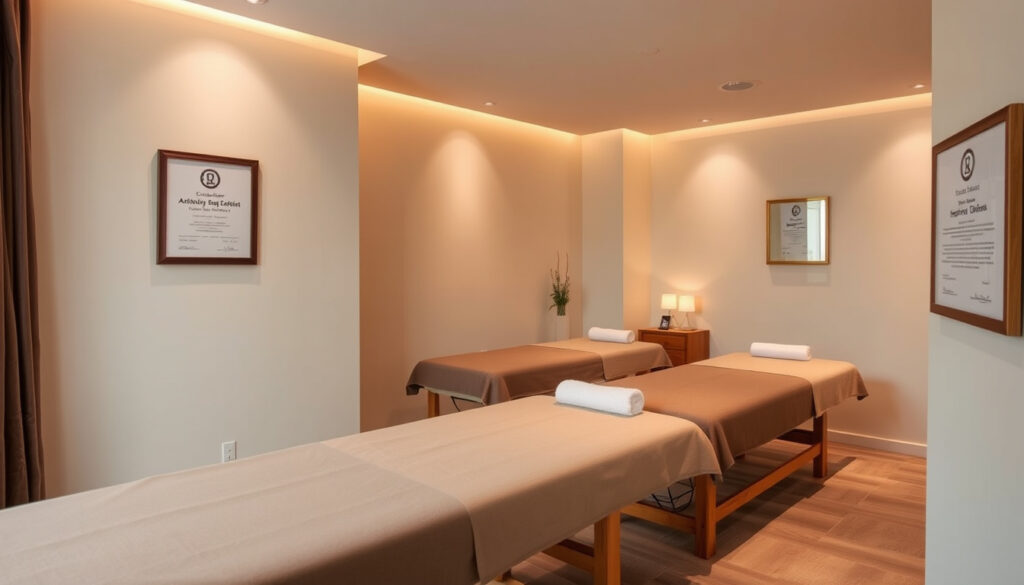
Massage Parlor Near Me: Find Safe Spas in Dublin & Avoid Scams
Anyone who’s typed “massage parlor near me” into a search engine while in Dublin knows the results can be a mixed bag. Between high-end spas and budget listings, it’s easy to get lost. This guide breaks down the real costs, the legal landscape, and the red flags that separate a licensed therapist from a risky operation.
Average price for a 60-min full body massage: €70 ·
Common massage types: Swedish, Thai, Deep Tissue, Hot Stone ·
Legality of erotic massage in Ireland: Illegal
Quick snapshot
- A 60-minute full body massage in Dublin typically costs €60–€100 (DTM Clinic price list)
- Booking platforms like Treatwell and Fresha list verified therapists with transparent pricing (Treatwell online booking platform)
- Exact number of unlicensed massage parlors operating in Dublin
- Whether all booking platforms verify therapist credentials
- No specific timeline events reported; regulatory checks are sporadic
- Use Fresha or Treatwell to book verified therapists
- Read recent reviews on Yelp or TripAdvisor before booking
Six key facts, one pattern: Dublin’s massage market is fragmented, with prices varying by district, duration, and service type.
| Fact | Value |
|---|---|
| Legal status of erotic massage in Ireland | Illegal |
| Average price range for 60-min full body massage | €60 – €100 |
| Top booking platforms in Dublin | Fresha, Treatwell, Yelp |
| Expected treatment duration | 60–90 minutes |
| Post-massage recommendation | Hydrate and rest |
Where can I find a sensual massage in Dublin?
Many Dublin visitors search for “sensual massage,” but the term is often used loosely. A legitimate sensual massage focuses on relaxation using aromatic oils and gentle touch — not sexual services. Here’s where to start.
Online booking platforms (Fresha, Treatwell)
- Fresha and Treatwell list therapists with verified reviews and transparent pricing. You can filter by treatment type and read client feedback before booking.
- These platforms require therapists to maintain professional profiles, though they don’t always verify credentials in person (Treatwell online booking platform).
Yelp and TripAdvisor listings
- Yelp and TripAdvisor aggregate user reviews, but watch for fake reviews. Look for multiple reviews with consistent details about cleanliness and professionalism.
- Cross-reference with booking platforms to check if the parlor appears on both.
Word of mouth and local recommendations
- Ask locals or check Dublin subreddits for personal recommendations. Word of mouth often reveals hidden gems that aren’t heavily marketed online.
The implication: stick to platforms with accountability measures. A parlor that appears on both Treatwell and Yelp with consistent positive feedback is more likely to be legitimate.
A Dublin parlor that lists “sensual massage” but won’t answer questions about licensing or therapist certification is a red flag. Legitimate clinics are happy to share their credentials.
How much is a full body massage in Ireland?
Prices in Dublin vary by location, treatment length, and the therapist’s experience. The table below shows representative rates from actual Dublin clinics.
Average cost in Dublin (city center vs suburbs)
- City center clinics: €60–€80 for 60 minutes. For example, DTM Clinic price list lists €80 for a 60-minute therapeutic massage.
- Suburban and mobile therapists: often €70–€90. A mobile provider on Treatwell charges €90 for 60-minute Swedish massage (Treatwell online booking platform).
- Some south Dublin listings start as low as €35 for 30 minutes (WhatClinic Dublin price comparison site).
Price differences between Swedish, Thai, deep tissue
- Swedish and relaxation massage: €59–€70 per hour (Healing Massage & Reiki Dublin wellness centre).
- Thai massage: €60–€70 per hour (Thai Massage Dublin specialist clinic).
- Deep tissue: €69–€80 per hour, with some clinics charging €119 for premium sessions (Healing Massage & Reiki Dublin wellness centre).
Factors affecting cost: duration, add-ons, reputation
- Hot stone massage is a premium add-on: 60 minutes costs around €135 at some clinics (DTM Clinic price list).
- Reputable therapists with advanced certifications charge more, but you get better safety and hygiene standards.
- Online booking platforms like Fresha often show price ranges upfront, making comparison easy.
The pattern: suburban and mobile services tend to be slightly cheaper than city-centre premium spas, but the gap is narrowing. Always check if the price includes the treatment room and oils.
What comes with a full body massage?
A standard full body massage covers the back, legs, arms, neck, shoulders, and feet. The therapist will explain the process and ask about pressure preferences.
Typical sequence: back, legs, arms, neck, shoulders, feet
- The therapist starts with your back, then moves to legs (one at a time), arms, and finishes with neck and shoulders.
- Most sessions include a brief scalp massage at the end. Some clinics add a foot rub as part of the package.
Optional extras: hot towels, aromatherapy oils, scalp massage
- Hot towels are often used to relax muscles before deep work. Aromatherapy oils (lavender, eucalyptus) are common.
- Scalp massage is a popular add-on that costs €10–€15 extra at many Dublin clinics.
Clothing: usually partial or full disrobing; draping provided
- You undress to your comfort level. The therapist will leave the room while you undress and use a towel or sheet to cover you.
- Only the area being massaged is uncovered. This is standard practice in licensed clinics.
The trade-off: more skin contact means better muscle access, but if you’re uncomfortable, you can keep underwear on. A good therapist will adapt.
First-timers in Dublin should expect a thorough, professional session that respects boundaries. If a therapist suggests otherwise, walk out.
What is a red flag in massage?
Spotting a risky parlor before you book can save you money and protect your safety. Here are the most common red flags.
Pressure for upgrades or extra services
- If a therapist hints at or offers “extras” during the session, that’s a sign of an unlicensed operation. Legitimate therapists never offer sexual services.
- A reputable parlor will have a clear menu with no hidden services.
Unclear pricing or no menu
- If the price isn’t listed online or the receptionist is vague about costs, find another place. Transparent pricing is a hallmark of a professional clinic.
- Compare with known rates: a 60-minute full body massage in Dublin should be between €60 and €100.
Unlicensed therapists or dirty facilities
- Check if the therapist is certified by a recognized body (e.g., ITEC or CIBTAC). Most Dublin clinics display certificates openly.
- Cleanlineness: if the treatment room smells musty or sheets are not fresh, leave immediately.
Why this matters: a single bad experience can cause physical harm or financial loss. Stick to parlors that are transparent about licensing and pricing.
What does ‘B2B massage’ mean?
B2B stands for “body-to-body” massage, where the therapist uses their own body to massage the client. In Dublin, this term is almost always associated with erotic services.
Full form: body-to-body massage
- B2B massage involves the therapist sliding their oiled body over the client’s back, legs, and torso. It is a form of erotic massage.
- It is different from standard therapeutic massage, which uses hands, forearms, or tools.
How it differs from regular massage (oil, skin contact)
- Regular massage uses minimal skin-to-skin contact beyond the therapist’s hands. B2B involves full-body contact.
- B2B sessions are often shorter and more expensive, with a focus on sensual rather than therapeutic benefit.
Legal status in Ireland
- B2B massage is considered a form of sexual service and is illegal in licensed Irish parlors under the Criminal Law (Sexual Offences) Act 2017.
- Legitimate spas avoid the term entirely. If you see “B2B massage” on a menu, assume the business is operating outside the law.
The catch: some unlicensed parlors use euphemisms like “body rub” or “sensual massage” to advertise B2B services. If the price seems too low for a full body massage, be suspicious.
What should I do after a Thai massage?
Thai massage involves passive stretching and deep pressure, so aftercare is crucial for getting the full benefit.
Hydrate and rest
- Drink plenty of water to flush out toxins released during the massage. Aim for at least 500ml within an hour.
- Rest for 15–30 minutes after the session. Avoid rushing back to work or exercise.
Gentle stretching to maintain flexibility
- Thai massage increases flexibility, so gentle stretching afterward helps maintain the range of motion.
- Avoid aggressive stretching or yoga for at least 12 hours.
Avoid strenuous activity for a few hours
- Do not shower immediately: allow the oils to absorb for at least 30 minutes.
- Wait at least 2 hours before heavy exercise, alcohol, or caffeine.
The implication: a good aftercare routine turns a one-time massage into lasting muscle relief. Skip it, and you may feel sore instead of rejuvenated.
How to Find a Safe and Legitimate Massage Parlor in Dublin
Use these steps to separate licensed therapists from risky operations.
- Check for visible licenses and certifications. A legitimate parlor will display the therapist’s credentials (e.g., ITEC, CIBTAC) and a business license from Dublin City Council.
- Read reviews on multiple platforms. Look for consistent mentions of cleanliness, professionalism, and clear pricing. Avoid places with only 5-star reviews or no reviews at all.
- Use booking platforms like Fresha or Treatwell. These platforms have a vetting process and allow you to see prices and therapist profiles before booking.
- Ask about the treatment plan. A reputable therapist will explain what the session includes and ask about your health history.
- Walk away if pressured. If the receptionist pushes for extras or won’t give a straight answer about pricing, leave immediately.
For a deeper look at this topic, see our How to Spot a Safe vs. High-Risk Massage Parlor guide.
What we know for sure — and what remains unclear
Confirmed facts
- Massage parlors in Dublin must be licensed by local authorities (though this is not always enforced).
- Happy ending massages are illegal in Ireland under the Criminal Law (Sexual Offences) Act 2017.
- The average cost of a full body massage in Dublin is €60–€100 for 60 minutes, as confirmed by multiple clinics.
What’s unclear
- Exact number of unlicensed parlors operating in Dublin.
- Whether all booking platforms verify therapist credentials beyond a basic profile.
- How often health inspectors conduct checks on massage establishments.
For Dublin residents and visitors, the choice is clear: use verified booking platforms, ask for credentials, and trust your instincts. A safe, professional massage is worth the extra few euros. The alternative — a risky, unlicensed parlor — can cost you far more than money.
codepublishing.com, massageprices.com, thedublinwellbeingcentre.ie, whatclinic.com, whatclinic.com, whatclinic.com, whatclinic.com
Frequently asked questions
What 5 parts of the body are not allowed to massage?
Legitimate massage therapists avoid the genitals, anus, breasts (unless part of a medical treatment), and the groin area. The face is generally allowed but with caution. Always check your clinic’s policy.
What not to do during a massage?
Don’t talk excessively, don’t tense up, don’t eat a heavy meal beforehand, and don’t ask for sexual services. Relax and communicate pressure preferences.
Can a massage therapist massage the groin area?
No. In a licensed, therapeutic setting, the groin area is off-limits. Any therapist who suggests otherwise is violating professional ethics and likely operating illegally.
Why do you not shower after a massage?
Showering immediately washes off the oils and undoes the muscle relaxation. Wait at least 30 minutes to allow the oils to absorb and the muscles to remain warm.
How do I choose a reputable massage parlor in Dublin?
Look for a visible business license, check for certifications (ITEC, CIBTAC), read recent reviews on Google and Yelp, and use booking platforms like Fresha that vet therapists.
More related posts
 Don’t Tread on Me Flag Meaning, History & Controversy
 Jean Paul Gaultier Le Male Elixir – Scent Notes, Longevity and Performance
 What Is a Beneficiary? Definition, Types, and Examples
 Fastest Way to Lose Weight: Evidence-Based Strategies
 NASA Confirms Asteroid 2025 PN7: Earth’s Two Moons Until 2083
 Amoxicillin and Clavulanate Potassium: Uses, Side Effects, Dosage
 Alabama Football Schedule 2025: Dates, Odds, Playoff Path