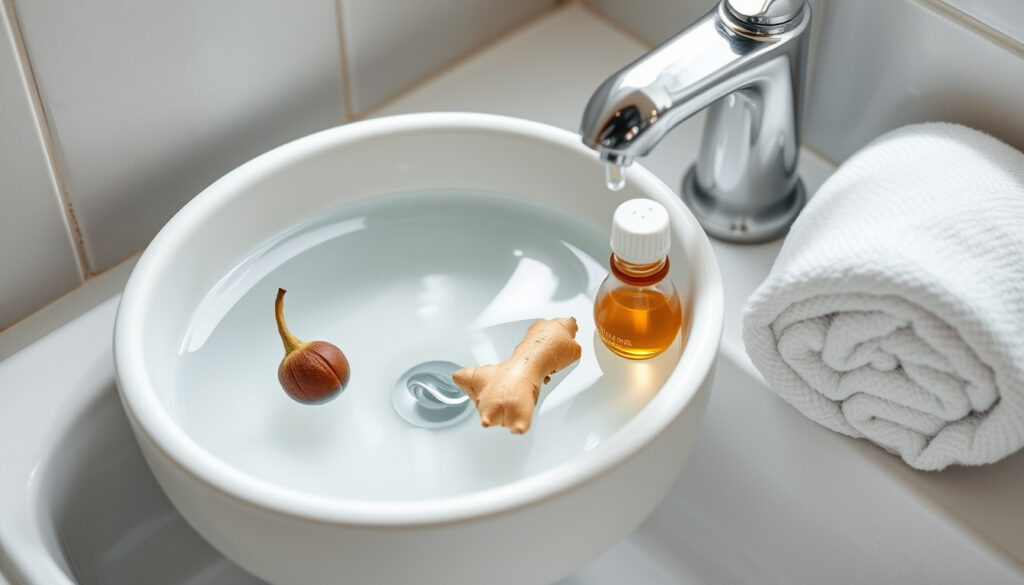
How to Stop Tooth Pain Fast: 5 Immediate Home Remedies
That sharp, throbbing jolt when you sip coffee or the dull ache that makes sleep impossible—tooth pain has a way of seizing your entire attention. You likely want it gone now, not in a week.
Most common cause: Dental decay or infection ·
First-line home remedy: Saltwater rinse and OTC painkillers ·
Time to seek care: Pain beyond 24-48 hours ·
Emergency signs: Fever, swelling, breathing trouble
Quick Snapshot
- Saltwater rinse and cold compress are recommended for temporary relief. (Mayo Clinic (first-aid guidance))
- OTC pain relievers like ibuprofen effectively manage tooth pain. (NHS (public health service))
- Whether a rotten tooth will stop hurting on its own without treatment. (Mayo Clinic (pain duration))
- If hydrogen peroxide can truly cure a tooth infection. (NHS (infection treatment))
- Pain persisting beyond 24-48 hours is a clear sign to seek professional care. (Mayo Clinic)
- Identify the cause—decay, infection, or trauma—to choose the right next step. (Cleveland Clinic (causes))
- If symptoms suggest an emergency, skip home care and go to urgent care or the ER. (Mayo Clinic (emergency signs))
- Rinse with warm salt water – dislodge debris and reduce inflammation.
- Apply a cold compress for 15 minutes on the cheek over the pain.
- Take an OTC painkiller like ibuprofen to block pain signals.
- Elevate your head when lying down to reduce throbbing.
- Call a dentist if pain persists beyond 24 hours.
Tooth pain is a symptom, not a condition. Understanding what you’re feeling helps you decide between a home remedy and a trip to the dentist. The table below outlines the typical causes and the corresponding first steps.
| Cause | What it feels like | First step |
|---|---|---|
| Dental decay (cavity) | Sharp pain when eating/drinking sweet, hot, or cold | Temporary filling material, saltwater rinse, see dentist |
| Infection/abscess | Throbbing, continuous pain, swelling, fever | Emergency care |
| Trauma/injury | Sharp pain, visible crack, or knocked-out tooth | Cold compress, see dentist immediately |
| Nighttime grinding (bruxism) | Dull pain in the morning, sore jaw | Warm compress, OTC painkiller, consult dentist for a mouthguard |
Warm-water rinsing is a first-aid step for toothache, and flossing can help remove trapped food or plaque between teeth.
— Mayo Clinic (first-aid guidance)
How can I numb my tooth nerve at home?
Numbing the nerve is about interrupting the pain signal to your brain. While you can’t do this as effectively as a dentist’s injection, several methods provide significant temporary relief.
- Saltwater rinse: Dissolve 1/2 teaspoon of salt in a glass of warm water and swish for 30 seconds. This reduces inflammation and cleans the area, which can ease nerve irritation. NHS (public health advice)
- Cold compress: Apply a cold pack to your cheek over the painful area for 15-20 minutes. This numbs the area by reducing blood flow and swelling. Mayo Clinic (first-aid guidance)
- Clove oil: Dip a cotton swab in clove oil and apply to the affected tooth and gums. The eugenol in clove oil is a natural anesthetic. WebMD (health information resource) (While effective, use sparingly and never swallow large amounts.)
Numbing nerve pain at home is a temporary fix. It masks the symptom without addressing the underlying infection or decay. Relief from these methods typically lasts 30 to 60 minutes.
Saltwater rinse as a numbing agent
A warm saltwater rinse is a go-to first step. It doesn’t just clean the area; it helps draw out fluid from the inflamed tissue, reducing pressure on the nerve. For a toothache, this is often the first thing a dentist recommends.
The NHS (urgent care guidance) suggests this as a temporary measure. It’s particularly useful after eating to dislodge any food that might be pressing on the injury.
Applying a cold compress
Numbness from cold is a direct nerve response. The cold slows nerve conduction, essentially slowing the pain signal’s path to your brain. For tooth pain caused by trauma or swelling, a cold compress on the outside of the cheek is the most effective way to achieve this.
For children, the American Academy of Pediatric Dentistry (pediatric authority) advises using a cold compress for toothache after an injury and seeking prompt care.
Using clove oil or over-the-counter numbing gels
Clove oil contains eugenol, a natural anesthetic. Over-the-counter gels often contain benzocaine, which works similarly. Both create a temporary numbing effect, but they are not cures.
According to Healthline (health information resource), these can be applied with a clean finger or cotton swab directly to the aching tooth.
The trade-off: numbing gels can cause a stinging sensation if they touch the gums. Use them sparingly and only on the tooth itself to avoid tissue damage from overuse.
Swelling, fever, or pus indicate an infection that requires prompt dental treatment.
— Cleveland Clinic (oral health expertise)
Recognizing these signs early can prevent a dental problem from becoming a medical emergency.
What stops tooth pain immediately?
When you need immediate relief, the focus is on blocking the nerve’s signal. Over-the-counter painkillers and topical anesthetics are the fastest tools.
- Ibuprofen or acetaminophen: These are the standard immediate tools. Ibuprofen reduces inflammation, which is often the root cause of throbbing pain, while acetaminophen works directly on the pain center in the brain.
- Avoid chewing on the affected side: This prevents further pressure on the nerve and surrounding tissue.
- Apply dental anesthetics: Products with benzocaine (Orajel) numb the surface of the tooth temporarily.
Immediate relief is about stopping the pain loop, not treating the cause. For a cavity or abscess, the pain will return when the medication wears off, often with a vengeance.
Over-the-counter painkillers
The best immediate action is taking a targeted dose of an anti-inflammatory. Ibuprofen is generally preferred because it targets the inflammation that’s squeezing the nerve. Acetaminophen is an alternative but doesn’t reduce swelling.
The NHS (health guidance) specifically recommends ibuprofen or paracetamol for tooth pain.
Avoiding chewing on the affected side
It sounds obvious, but it’s a deliberate first step. Pressure from chewing can push food against an exposed nerve or cracked spot, causing a spike of pain. This also prevents the loose filling or cavity from getting worse while you wait for your appointment.
Applying dental anesthetics
Benzocaine gels create a rapid numbing effect. They are effective for surface-level pain, such as a receding gum or a small crack. However, they are not strong enough for pain from a deep, large cavity that’s touching the nerve.
How to reduce tooth pain at night
Nighttime is when a toothache often becomes unbearable. The change in position, the lack of distraction, and the body’s natural inflammatory cycles all conspire against you. Here’s how to survive until morning.
Elevating your head while sleeping
When you lie flat, blood pools in your head, increasing pressure on the inflamed tooth nerve. Propping your head with an extra pillow uses gravity to reduce this blood flow, which eases the throbbing sensation. Healthline (health information resource)
Using a warm saltwater rinse before bed
Rinsing before bed removes any food particles from the day. More importantly, a warm saltwater solution can help reduce inflammation and clean the area, which is especially important since bacteria multiply while you sleep. This is a recommended part of a nighttime routine. DentistsCloseBy (dental practice guide)
Taking an OTC pain reliever at bedtime
Taking ibuprofen or acetaminophen before you sleep can help you get over the threshold of pain. The goal is to prevent the pain from waking you up. If you wake up, don’t just lie there—take a sip of water and apply a cold compress. Healthline
Consistent use of these methods can help you get through the night, but dental treatment is still necessary.
How do I know if my toothache is an emergency?
Tooth pain is a red flag when it’s more than just a minor annoyance. Knowing the distinction between a molar that needs a filling and a life-threatening infection is critical.
Signs of infection: swelling, fever, pus
Swelling in your face or gums is a serious sign. A fever is your body’s systemic response to an infection. Pus is a definitive sign of an abscess. Cleveland Clinic (oral health expertise) indicates that swelling below the eye or a knot on the jaw warrants emergency evaluation.
When pain becomes unbearable or persistent
Cleveland Clinic lists unbearable tooth pain that does not improve with medication as an ER-level concern. If you’ve tried OTC painkillers and they haven’t touched the pain, it’s a sign the nerve is in significant distress. Pain that lasts more than 48 hours also requires professional attention. Mayo Clinic (symptom timeline)
Trauma or broken tooth requiring immediate care
If you’ve had a blow to the face, a knocked-out tooth, or have a large, sharp piece of tooth cutting into your tongue, that’s an emergency. A knocked-out tooth requires rapid treatment; one source suggests care within 30 to 60 minutes for the best chance of saving it. Jefferson Dental Clinics (dental care provider)
Recognizing these signs early can prevent a dental problem from becoming a medical emergency.
What kills tooth infection bacteria?
The only way to fully eliminate a tooth infection bacteria is with a professional dental procedure and antibiotics. Home remedies can reduce the bacteria count and soothe the area, but they cannot reach the deep infection inside the tooth root.
Antibiotic treatment prescribed by dentist
Only a dentist can prescribe antibiotics that actually kill the infection-causing bacteria deep within the tooth. These are necessary for an abscess that has spread or is causing swelling.
Hydrogen peroxide rinse as temporary measure
Some sources suggest diluting 3% hydrogen peroxide with equal parts water and swishing it. It acts as an antiseptic and can reduce surface-level bacteria. However, the NHS (toothache guidance) advises it’s not a cure and should never be swallowed.
Saltwater rinse for mild infection support
Saltwater does not kill bacteria in the same way antibiotics do. It creates a high-salt environment that draws fluid out of the gum tissue, helping to reduce swelling and disrupt bacterial growth on the surface. This is why it’s often how to stop tooth pain at night, but it’s not a cure for an active infection.
For a true tooth infection, home remedies are a stay-pretty-busy measure while you wait for real medical help. They can buy you a few hours, but they will not save the tooth or clear the infection. Relying on them alone can allow the infection to spread to your jaw or bloodstream, turning a dental problem into a life-threatening one.
Home remedies can provide temporary relief but cannot replace professional treatment.
decayguide.com, mosdenthospital.com, healthline.com, dentalappointments.com.au, dentistscloseby.com
Frequently asked questions
Why isn’t ibuprofen helping my toothache?
Ibuprofen only treats inflammation. If the tooth’s nerve is dying or the pain is so intense that the standard dose isn’t enough, the drug won’t address the root issue. Pain that persists despite medication is a sign to see a dentist.
Will my toothache go away if I sleep?
Sleep can lower blood pressure and reduce the pain from stress, but it doesn’t fix the cause. A toothache due to an abscess or decay will typically return with a throbbing pain when you lie down, as blood pools in your head.
Which is better for a toothache, peroxide or salt water?
Saltwater is the safer and more commonly recommended option for regular rinses because it’s non-irritating and reduces inflammation. Peroxide has antimicrobial properties but can irritate tissues over time. If you have a preference, use salt water to be safe.
What pain level is a toothache?
Pain scales are subjective, but a toothache that wakes you up at night or requires you to stop your activities is typically a 7 or above on a 1-10 scale. This level of pain is a strong indicator of a dental emergency.
Can hydrogen peroxide help with tooth pain?
Yes, briefly. It can help clean the mouth and reduce surface bacteria, providing temporary relief. However, it cannot cure a tooth infection, and using it too often can be harsh on your gums. Healthline
Tooth pain is relentless, but it’s not a verdict you have to survive without a plan. The immediate relief you get at home—whether through cold, salt, or OTC medication—is buying you time, not a cure. For the half of your pain that comes from an infection, the only long-term solution is a professional treating the cause. A dentist can treat decay, drain an abscess, or perform a root canal. For the specific case of an infected tooth, the choice is clear: a 30-minute root canal now, or a weekend at the emergency room with a swollen face later. For a person in the middle of the night staring at the ceiling, the action plan is simple: use the cold compress and saltwater rinse to get a few hours of sleep, then call a dentist in the morning to fix the root of the problem.
More related posts
 Alabama Football Schedule 2025: Dates, Odds, Playoff Path
 How to Subtract Fractions: Step-by-Step Guide with Examples
 Dow Jones Futures Live: Today’s Pre-Market Data & Analysis
 How Old Is the Earth? 4.54 Billion Years & Human Timeline
 Translate English to Japanese – Best Free Tools and Accuracy Guide
 Neutrogena Hydro Boost Water Gel vs Moisturizers
 Who won the Super Bowl 2026? Final score, MVP, highlights
 Will Smith Net Worth 2026: How Much Is He Worth After the Slap?