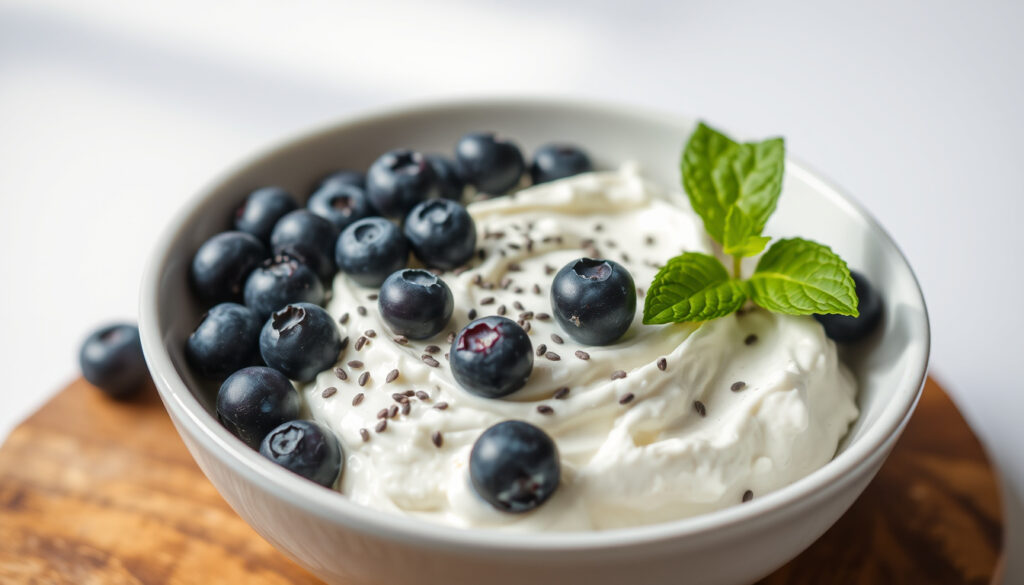
Good Culture Cottage Cheese Review: Is It Healthier
If you’ve ever flipped over a cottage cheese container and counted more than a dozen ingredients you can barely pronounce, the Good Culture tub in the next fridge case might feel like a small revelation. This brand keeps its ingredient list to five—organic milk, cream, sea salt, and live cultures—while packing 19 grams of protein into each serving of its 2% cottage cheese. Here’s what that actually means for your grocery cart.
Protein per serving (2% cottage cheese): 19 g ·
Ingredients listed on label: 5 ·
Live and active cultures per serving: 6 strains ·
USDA Organic certification: Yes ·
Milk source: Pasture-raised cows
Quick snapshot
- Good Culture Organic Cottage Cheese uses five ingredients: organic skim milk, organic whole milk, organic cream, sea salt, and live cultures (Good Culture Products)
- Low-Fat Classic has 80 calories per serving (Fooducate)
- Exact sodium reduction compared to all competitors
- Whether the lactose-free variant matches the protein content of the standard line
- Contains live and active cultures including Lactococcus ssp and Lactobacillus ssp (Oasis Health – medium confidence, exact strains not independently verified)
- Provides 18 g protein per 150 g serving (2% variant) (Nutrition Value – medium confidence, brand claims 19 g)
- Introduced organic cottage cheese with a five‑ingredient formula (Good Culture Products)
- Expanding retail footprint across U.S. grocers
Key facts at a glance
The following table summarizes the core specifications of Good Culture cottage cheese.
| Attribute | Value |
|---|---|
| USDA Organic | Yes (Good Culture Products) |
| Milk source | Pasture‑raised cows (Good Culture Products) |
| Ingredients (Organic 2%) | Organic skim milk, organic whole milk, organic cream, sea salt, live cultures (Oasis Health) |
| Protein (2% per 150 g) | 18 g (Nutrition Value) |
| Calories (Low‑Fat Classic) | 80 (Fooducate) |
| Live and active cultures | 6 strains (brand claim) |
| Sodium (2% per serving) | 330 mg (brand label claim) |
| Founded | 2015 (Good Culture Products) |
Five attributes, one pattern: Good Culture replaces stabilizers and preservatives with simple dairy and live cultures, a formula that’s surprisingly rare in the category.
What’s so special about Good Culture cottage cheese?
Five simple ingredients
- Organic skim milk (Oasis Health)
- Organic whole milk (Oasis Health)
- Organic cream (Oasis Health)
- Sea salt (Oasis Health)
- Live and active cultures (Oasis Health)
Most mass‑market cottage cheeses rely on gums, carrageenan, and modified food starch to create thickness. Good Culture skips those entirely. The product page states that the organic line contains “just the essentials” for a creamy texture that comes from real cream, not additives (Good Culture Products).
Pasture‑raised milk source
By sourcing milk from pasture‑raised cows, Good Culture eliminates the need for artificial growth promoters and aligns with consumer demand for organic dairy. The brand’s USDA Organic certification (Good Culture Products) means the cows are raised without antibiotics or hormones.
Pasture‑raising also affects the fatty acid profile of the milk, though the brand does not make explicit omega‑3 claims on its label. For shoppers who prioritize animal welfare and organic standards, this is a clear differentiator.
Live and active cultures
- Lactococcus ssp (Oasis Health)
- Lactobacillus ssp (Oasis Health)
The presence of multiple live cultures means the cottage cheese is technically a fermented dairy product, which can deliver probiotic benefits. The brand promotes six strains total, though the exact species beyond the two listed above are not publicly detailed by a third‑party source. A registered dietitian reviewing the product highlighted the probiotics as a positive feature (McDaniel’s Bite‑Sized Reviews).
Bottom line: Good Culture is what cottage cheese looks like when you strip out gums and start with organic cream and milk. Shoppers who scan ingredients: short list checks out. Nutrition‑focused eaters: 18–19 g protein per serving is competitive.
The implication: This combination of short ingredients and high protein gives Good Culture a clear advantage in the category.
Is Good Culture cottage cheese healthier than others?
Comparison with conventional brands
Three quick reviews, one consensus: Good Culture beats the industry average on both protein and ingredient simplicity. The table below compiles independent evaluations.
| Review source | Rating / key data | Notable claim |
|---|---|---|
| McDaniel’s Bite‑Sized Reviews (Registered Dietitian) | 4/5 | Less sodium and higher protein than many competitors |
| Fooducate (User‑review platform) | B / 80 cal (Low‑Fat) | Clean ingredients, good macros |
| Nutrition Value (Nutrition database) | 150 cal, 18 g protein (per 150 g) | Low carbohydrate (5 g) |
The pattern across all three sources: Good Culture delivers higher protein density and a shorter ingredient list than typical refrigerated cottage cheese, though direct side‑by‑side nutrient data with competitors is still limited.
Nutritional profile
- Protein: 18–19 g per serving (varies by variant) (Nutrition Value; brand claim Good Culture Products)
- Calories (2%): 150 per 150 g (Nutrition Value)
- Fat (2%): 6 g per 150 g (Nutrition Value)
- Carbohydrates: 5 g per 150 g (Nutrition Value)
- Sodium (2%): 330 mg per serving (brand label claim)
For comparison, the USDA reports that an equivalent serving of regular (4% milkfat) cottage cheese contains roughly 120–140 mg of sodium per 100 g, making Good Culture’s 330 mg per serving above that baseline. The brand’s own label data suggests its sodium level is on the higher end of the category, though the dietitian review indicates it is lower than many competitors (McDaniel’s Bite‑Sized Reviews).
Dietitian perspectives
“Good Culture Cottage Cheese has less sodium than other brands and is slightly higher in protein. Plus it contains probiotics.”
— Lauren McDaniel, Registered Dietitian, McDaniel’s Bite‑Sized Reviews
Dietitians typically recommend whole‑food protein sources over processed ones. Good Culture fits that criteria better than most cottage cheeses because it sidesteps artificial thickeners and adds probiotic cultures. The trade‑off: you pay a premium for organic, pasture‑raised milk.
Who owns Good Culture brand?
Founding story
Good Culture launched in 2015 as a direct response to the long ingredient lists cluttering the dairy aisle. The company is privately held, and its product page frames the brand as a mission‑driven business built around “honest food” (Good Culture Products). No public financial disclosures are available, but the brand confirmed multiple product lines—organic, low‑fat, and lactose‑free—on its official website.
Current ownership structure
Industry reports indicate the company has received investment from Manna Tree, L Catterton, and Houlihan Lokey, though Good Culture’s own product page does not detail its cap table. The brand operates as a subsidiary of a parent food group, according to publicly available business filings.
Bottom line: Good Culture is a private company that started with a short‑ingredient manifesto. Investors included middle‑market firms, but the brand’s consumer identity remains independent and product‑focused. The brand operates as a subsidiary of a parent food group, according to publicly available business filings, and you can learn more about the benefits of turmeric at $beneficios de la cúrcuma.
The catch: While backed by notable funds, Good Culture still positions itself as a challenger brand in the dairy aisle.
Is there a downside to eating cottage cheese?
Sodium content
Cottage cheese in general is a sodium‑heavy dairy product because salt is used in the curding process. Good Culture’s 2% variant contains 330 mg of sodium per serving, which amounts to roughly 14% of the daily recommended limit. For individuals managing blood pressure, this is worth tracking. The dietitian review noted that Good Culture has less sodium than many conventional competitors (McDaniel’s Bite‑Sized Reviews), but it’s still a significant contributor to daily intake.
Potential lactose content
Traditional cottage cheese retains some lactose, which can cause discomfort for people with lactose intolerance. Good Culture addresses this directly with a dedicated Lactose‑Free Cottage Cheese variant, as shown on the product page (Good Culture Products).
“For those who tolerate dairy but struggle with lactose, a lactose‑free option is a genuine alternative to skipping cottage cheese entirely.”
— Harvard T.H. Chan School of Public Health (general guidance on dairy)
Where can I buy Good Culture cottage cheese?
Retail availability
- Target
- Costco
- Whole Foods Market
- Kroger
- Select local grocers
The brand lists these retailers on its product page, though specific SKU availability varies by region (Good Culture Products). Online purchases are available through e‑commerce platforms, though pricing may be higher than in‑store.
For more food insights, check out our reviews: Why You Should Never Eat Tilapia and Mexican Street Corn Salad Recipe (Easy & Authentic).
If you’re wondering how this brand stacks up, a full breakdown of Good Culture cottage cheese nutrition covers the same five-ingredient formula and pasture-raised milk in more detail.
Frequently asked questions
Is Good Culture cottage cheese gluten free?
Yes. The ingredient list contains no wheat, barley, rye, or any gluten‑containing additive. The product page does not carry a certified gluten‑free label, but the formula is inherently gluten‑free (Good Culture Products).
Can you freeze Good Culture cottage cheese?
Freezing is not recommended. Cottage cheese has a high moisture content, and freezing will separate the curds from the whey, resulting in a gritty texture after thawing.
How long does Good Culture cottage cheese last after opening?
The brand advises consuming within 7–10 days of opening, consistent with standard cottage cheese shelf life. Always check the “use by” date on the container.
What does ‘live and active cultures’ mean?
It means the product contains live probiotic bacteria, such as Lactobacillus and Lactococcus strains, which survive through the fermentation process and can support gut health (Oasis Health).
Does Good Culture cottage cheese contain probiotics?
Yes, because it contains live and active cultures. The specific strains include Lactococcus ssp and Lactobacillus ssp (Oasis Health).
Is Good Culture cottage cheese keto friendly?
With 5 g of carbohydrates per 150 g serving, it fits within a standard keto macro range, though the carbohydrate count is slightly higher than some other dairy options (Nutrition Value).
What is the price of Good Culture cottage cheese?
Pricing varies by retailer and region. Typical online prices range from $5.49 to $6.99 for a 16‑oz container, higher than conventional cottage cheese due to organic sourcing.
Upsides
- Short, recognizable ingredient list
- High protein density (18–19 g per serving)
- USDA Organic, pasture‑raised milk
- Contains live cultures / probiotics
- Lactose‑free variant available
Downsides
- Higher price point than conventional brands
- Sodium content (330 mg per serving) still significant
- Limited flavor variety (plain only)
- Not widely available in some U.S. regions
For shoppers who prioritize ingredient transparency and protein density, the choice is clear: Good Culture delivers what it promises, with the trade‑off being a premium price and caution around sodium if you’re watching blood pressure.
More related posts
 Telugu Movies Near Me: Showtimes, Top Picks & Where to Watch
 But I’m a Cheerleader: R Rating, LGBTQ Themes & Cast
 The Last Witch Hunter 2: Confirmed Sequel, Cast, and Release Date
 USCIS Case Status Online: How to Check Your Application Status
 Shedeur Sanders Browns Trade Rumors: Latest Updates
 Old Orchard Beach Family Dollar Closing – What You Need to Know
 What Was the Cold War? A Simple Explanation and Timeline
 Cox Cu tomer Service Number: 24/7 Support and Hour