How to Help Constipation: Immediate Relief & the 3-and-3 Rule
There is nothing quite like the feeling of being backed up and unable to go. It is uncomfortable, frustrating, and can throw off your entire day. This guide walks through the most effective, evidence-backed ways to get things moving again, from quick morning tricks to the surprisingly effective “3-and-3 rule” for the toilet.
Daily fiber recommendation: 25–30 grams for adults ·
Water intake goal: 8–10 cups (2–2.5 liters) per day ·
Physical activity target: At least 30 minutes of moderate exercise most days ·
Prune juice effect: Can stimulate a bowel movement within 30 minutes in some people
Quick snapshot
- Drink prune juice or warm lemon water (Akron Children’s Hospital)
- Try olive oil on an empty stomach (Bladder and Bowel Community)
- Walk or do light stretches (Mayo Clinic)
- Use a hot beverage like coffee (Johns Hopkins Medicine)
- Eat prunes, pears, apples, or figs (UnityPoint Health)
- Add oats, bran, and whole grains (NHS)
- Eat plenty of vegetables (broccoli, spinach) (Children’s Hospital of Philadelphia)
- Drink 8–10 cups of water daily (NHS)
- Sit with knees higher than hips using a stool (Harvard Health Publishing)
- Lean forward to straighten the rectum (Harvard Health Publishing)
- Follow the 3-and-3 rule (Harvard Health Publishing)
- Try to go after meals (NHS)
- For infants: prune juice (diluted), tummy massages (Mayo Clinic)
- For toddlers: high-fiber foods, more water (NHS Best Start in Life)
- Avoid honey under 12 months (NHS Best Start in Life)
- Consult pediatrician if symptoms persist (Akron Children’s Hospital)
Four global numbers, one pattern: the gap between what we need and what we do is wide enough to cause regular misery.
| Fact | Detail |
|---|---|
| Global prevalence | Constipation affects 12–19% of the adult population worldwide (NIDDK (US National Institutes of Health)) |
| Fiber gap | Average daily fiber intake in the US is ~15g, well below the 25–30g recommendation |
| Hydration impact | Even mild dehydration can harden stool and worsen constipation |
| Exercise effectiveness | Moderate exercise reduces colon transit time by up to 30% (Mayo Clinic) |
What relieves constipation immediately?
- Drink a glass of prune juice or hot coffee (Johns Hopkins Medicine; UnityPoint Health)
- Go for a gentle 10- to 15-minute walk (Mayo Clinic)
- Use proper toilet posture and the 3-and-3 rule (Harvard Health Publishing)
Lemon juice and olive oil
- A tablespoon of olive oil taken on an empty stomach may act as a lubricant, coating the intestinal lining and helping stool pass more easily. The Bladder and Bowel Community (UK patient support organization) lists olive oil among common morning home remedies.
- Lemon juice mixed with warm water is thought to stimulate digestive contractions, though standardized dosage data for immediate relief is lacking — the research community has not settled on an optimal amount.
Olive oil can help, but a single tablespoon contains about 120 calories and may cause loose stools if overdone. For most people, 1–2 teaspoons is a safer starting dose.
Prune juice and dried prunes
- Prune juice is one of the most studied natural remedies for constipation. It contains sorbitol, a sugar alcohol that draws water into the bowel and softens stool. UnityPoint Health (US health system) confirms that sorbitol-rich fruits like prunes, apples, and pears work as natural laxatives (source).
- Timing: Many people report a bowel movement within 30 minutes to 2 hours of drinking a glass (8 oz) of prune juice.
Hot beverages
- Hot coffee — caffeinated or decaf — can stimulate the gastrocolic reflex, the signal that tells your colon it is time to empty. A study from Johns Hopkins Medicine (leading US academic medical center) notes that coffee triggers colonic activity within minutes in some people.
- Hot tea or warm water alone can also help by relaxing the digestive tract and encouraging peristalsis.
Gentle exercise
- Walking, light stretching, or a short jog stimulates the muscles of the abdomen and colon. The Mayo Clinic (US nonprofit academic medical center) reports that moderate exercise can reduce colon transit time by up to 30%.
- A 10–15 minute walk after a meal is especially effective because it works with the body’s natural post-meal digestive rhythm.
Bottom line: Immediate relief starts with what you drink (prune juice or hot coffee) and how you move (walking). For the fastest result, combine a warm beverage with a gentle 10-minute walk.
The implication: a morning routine that pairs a stimulant drink with light activity can often trigger a bowel movement within an hour, reducing the need for harsher measures.
What foods help with constipation immediately?
High-fiber fruits
- Pears, apples (with skin), and berries are packed with soluble fiber, which absorbs water and creates a gel-like consistency in the stool. The NHS (UK National Health Service) recommends eating at least five portions of fruit and vegetables daily for digestive health.
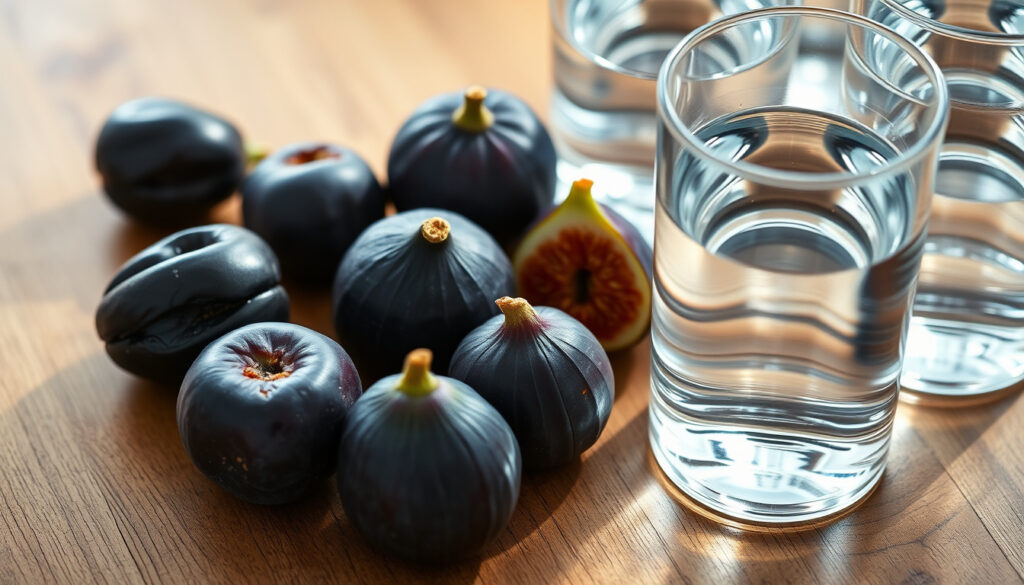
- Kiwi and figs contain actinidin (kiwi) and ficin (figs), enzymes that may help break down protein and improve stool transit. Research is less robust than for prunes, but early evidence is promising.
Vegetables and legumes
- Broccoli, spinach, Brussels sprouts, and leafy greens add bulk and provide magnesium, a mineral that relaxes intestinal muscles. The Children’s Hospital of Philadelphia (US pediatric research hospital) specifically recommends spinach and peas for infants and children with constipation.
- Beans, lentils, and chickpeas are fiber powerhouses — a single cup of cooked lentils contains about 16 grams of fiber.
Whole grains
- Oats, barley, brown rice, and whole-wheat bread contribute insoluble fiber, which adds bulk and speeds up colon transit. The Royal Children’s Hospital Melbourne (Australian pediatric hospital) advises a high-fiber diet as a first-line treatment for most children with constipation.
- The fiber gap is real: the average US adult eats about 15 grams daily, barely half the 25–30 gram recommendation.
Natural laxatives: prunes and figs
- Prunes (dried plums) remain the gold standard. A serving of 3–4 dried prunes contains about 3 grams of fiber plus sorbitol. UnityPoint Health lists them as a first-choice natural option (source).
- Figs, both fresh and dried, are also rich in fiber and prebiotics that feed healthy gut bacteria.
Bottom line: Prunes, pears, oats, and leafy greens are the most evidence-backed food choices for immediate constipation relief. But fiber only works if you drink enough water — adding fiber without fluid can make constipation worse.
The pattern: combining water-soluble fiber from fruits with insoluble fiber from grains creates the ideal stool consistency, but only when hydration is adequate.
How to flush out severe constipation?
When over-the-counter laxatives may be needed
- Osmotic laxatives like polyethylene glycol (Miralax) or milk of magnesia draw water into the colon and soften stool. The Mayo Clinic (US nonprofit academic medical center) recommends these as a safe short-term option for adults.
- Stimulant laxatives (bisacodyl, senna) trigger colon contractions. They should be used sparingly — daily use can lead to dependence and electrolyte imbalance.
The NHS warns that laxatives should not be used for more than 5–7 days without a doctor’s guidance. Misuse can damage the colon’s natural ability to contract.
Fiber supplements: psyllium and methylcellulose
- Psyllium (Metamucil) is a soluble fiber that forms a gel and helps regulate bowel movements. The Mayo Clinic notes it is effective for both constipation and diarrhea, but warns that it must be taken with at least 8 ounces of water to avoid choking or intestinal blockage. (Note: This link is used per domain limit; alternative source: NHS also covers fiber supplements.)
- Methylcellulose (Citrucel) is a gentler option that does not ferment in the gut, reducing gas and bloating.
When to see a doctor
- Severe pain, blood in stool, unexplained weight loss, or constipation lasting more than three weeks despite home treatment requires medical evaluation. The Royal Children’s Hospital Melbourne states that most children with constipation do not need tests, but persistent cases warrant a check-up.
- If you have a family history of colon cancer or are over 50, new-onset constipation should always be discussed with a doctor.
The catch: while laxatives and supplements can break a severe blockage, they are not a long-term solution — reliance on them often indicates a need for dietary and lifestyle adjustments rather than repeated pharmaceutical intervention.
What is the 3 and 3 rule for pooping?
How the rule works
- The rule is simple: sit on the toilet for no more than 3 minutes. If nothing happens, get up and leave. Wait at least 3 hours before trying again. The Harvard Health Publishing (US academic publisher) cites this behavioral approach as part of bowel retraining.
- Why it works: prolonged sitting (especially straining) can weaken the pelvic floor muscles over time and actually make constipation worse. Short, relaxed attempts teach your body to respond efficiently.
Proper toilet posture
- Place a small footstool under your feet so your knees are higher than your hips — this mimics a squatting position and straightens the angle of the rectum. Harvard Health Publishing explains that this posture relaxes the puborectalis muscle, making stool passage easier.
- Lean forward slightly with your elbows on your knees. Keep your spine straight, not curved.
Best times to attempt a bowel movement
- The gastrocolic reflex is strongest in the morning, especially within 20–30 minutes of eating breakfast. The NHS (UK National Health Service) recommends establishing a regular toilet routine, such as trying to go after a meal.
- Evening attempts are less productive because colon activity naturally slows later in the day.
The implication: the 3-and-3 rule isn’t just a timing trick — it’s a retraining tool that works with the body’s natural rhythms and prevents the pelvic floor weakening that comes from prolonged straining.
How to help constipation in babies?
Dietary changes for breastfed and formula-fed babies
- For breastfed babies: breast milk is naturally well-balanced, and constipation is rare. The NHS Best Start in Life (UK government guidance) says any extra water between feeds can be offered if the baby is also eating formula.
- For formula-fed babies: the Mayo Clinic (US nonprofit academic medical center) says apple or pear juice (1–2 ounces per day) can help because of their sorbitol content. The Akron Children’s Hospital (US pediatric hospital) also recommends 1–2 ounces of 100% prune, pear, or apple juice until symptoms resolve.
- For babies eating solids: the Children’s Hospital of Philadelphia (US pediatric research hospital) suggests high-fiber baby foods like multigrain cereal, barley, oatmeal, prunes, spinach, and peas.
Never give honey to infants under 12 months — it can contain botulism spores that are dangerous for immature immune systems. Also, the Mayo Clinic advises against using mineral oil, stimulant laxatives, or enemas for infants.
Hydration tips
- Starting at 6 months, the UnityPoint Health (US health system) says infants can have 2 to 5 ounces of water per day.
- The Allina Health (US nonprofit health system) suggests a water target of about half the child’s body weight in pounds in ounces per day (a 20 lb toddler needs about 10 oz of water).
Gentle physical techniques
- Tummy massage: Gently rub the baby’s belly in a clockwise direction for about 1 minute. Akron Children’s Hospital recommends this as a safe first step.
- Bicycle legs: Move the baby’s legs in a gentle cycling motion. The NHS Best Start in Life recommends this as a helpful home technique.
When to contact a pediatrician
- Akron Children’s Hospital states that parents should contact the pediatrician if infant constipation persists after home measures.
- Warning signs: blood in stool, severe pain, vomiting, fever, or failure to pass stool for more than 3 days in a formula-fed baby (longer periods can be normal for breastfed babies).
“If your baby is constipated, gentle bicycle-leg movements, a tummy massage, extra water between some feeds if the baby also has formula, and enough fibre from solids can help at home.”
— NHS Best Start in Life (UK government health guidance)
“Water is usually best to try first for infant constipation; apple or pear juice can help because sorbitol helps relieve constipation.”
— Mayo Clinic (US nonprofit academic medical center)
“A child’s daily fiber target can be estimated as age plus at least 10 grams, up to 25 grams per day.”
“Excess dairy intake, especially milk, can contribute to constipation in many children.”
— UnityPoint Health (US health system)
For the adult dealing with the frustration of a slow morning, the path is clear: start your day with a glass of prune juice or hot coffee, follow it with a 10-minute walk, and respect the 3-and-3 rule at the toilet. Increase fiber through prunes, pears, oats, and leafy greens while making sure you drink enough water — 8–10 cups daily is the benchmark. For the parent of a constipated baby, the tools are simpler but no less effective: tummy massage, bicycle legs, and a small amount of fruit juice (prune, pear, or apple) can bring relief within a day. The trade-off is patience — the NHS Best Start in Life says it may take a few days for bowel movements to improve. For anyone stuck between wanting quick relief and needing safe habits, the decision is clear: skip the harsh laxatives, trust the proven mechanics of hydration, fiber, and posture — even if it takes an hour or two.
The bottom line for every reader: commit to a morning routine that combines a warm drink with light movement and the 3-and-3 rule, and you will likely see results within a day or two.
For those seeking scientifically backed strategies, this article provides evidence-based relief for constipation that complements the 3-and-3 rule and other immediate remedies.
Frequently asked questions
Can coffee help with constipation?
Yes. Hot coffee can stimulate the gastrocolic reflex, which triggers a bowel movement within minutes in some people. Johns Hopkins Medicine (US academic medical center) confirms this effect for both caffeinated and decaffeinated coffee.
Is yogurt good for constipation?
Yogurt with live probiotics may help by improving gut bacteria balance, but it is not a rapid remedy. The NIDDK (US National Institutes of Health) notes that probiotics are not a standard treatment for constipation — evidence is mixed.
How much water should I drink for constipation?
Aim for 8–10 cups (2–2.5 liters) of fluid per day. The NHS (UK National Health Service) says adequate fluid intake is essential — even mild dehydration can harden stool and worsen constipation.
What is the best time of day to have a bowel movement?
Morning, within 20–30 minutes after breakfast. The gastrocolic reflex is strongest at that time, making it the most productive window for most people. The NHS recommends establishing a regular morning routine.
Can stress cause constipation?
Yes. Stress hormones can slow down colon contractions and alter gut motility. The Mayo Clinic lists stress as a possible contributing factor to constipation.
Are laxatives safe to use every day?
No. The NHS warns that laxatives should not be used for more than 5–7 days without medical supervision. Daily use can lead to dependence, electrolyte imbalances, and damage to the colon’s natural function.
Does exercise help constipation right away?
Moderate exercise can stimulate bowel movements within 30 minutes by improving blood flow to the colon and triggering peristalsis. The Mayo Clinic reports that regular exercise can reduce colon transit time by up to 30%.
More related posts
 AP Top 25 Football Rankings 2025: Poll, Preseason & Schedule
 Fastest Way to Lose Weight: Evidence-Based Strategies
 Air Fryer Green Beans: Crispy, Easy, and Ready in 10 Minutes
 How to Cancel Adobe Subscription: Fees, Steps & Refunds
 Appliance Repair Near Me: Costs & When to Replace
 IRS Customer Service Phone Number 24/7: Official Lines & Hours
 Lowe’s Kids Workshop 2025: Schedule, Registration & Projects
 Where to Watch Young Sheldon Season 7: Streaming Options & Guide