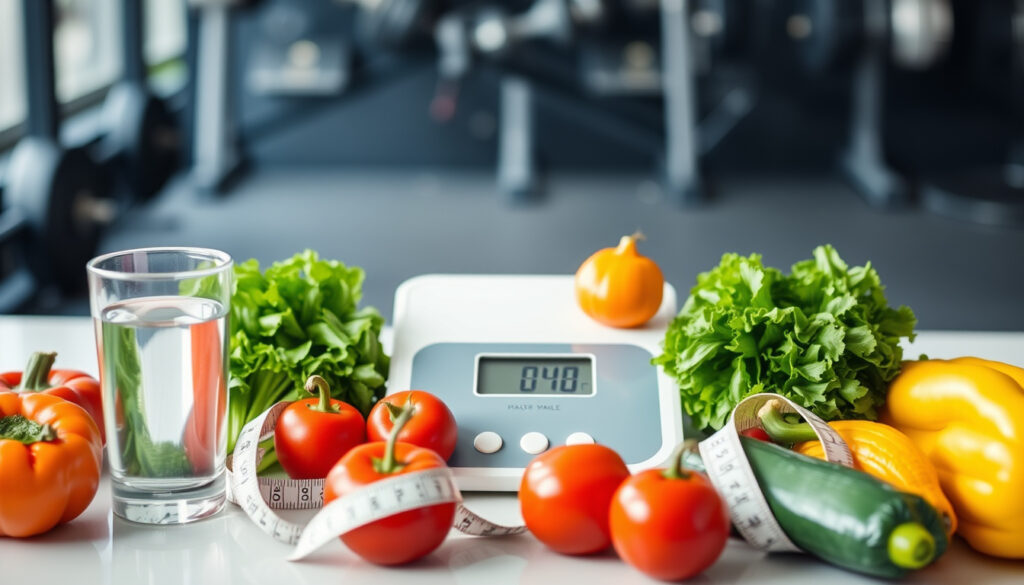
Fastest Way to Lose Weight: Evidence-Based Strategies
Anyone who’s ever stared at a number on the scale and wished it would just go away already knows the feeling: you want results, and you want them fast, but the internet is full of advice that ranges from the sensible to the dangerous. This article cuts through the noise, grounding every claim in what medical authorities like the NHS and academic research actually say about rapid, safe weight loss.
Safe weight loss rate: 1-2 pounds (0.5-1 kg) per week ·
Daily calorie deficit for weight loss: 500-750 calories ·
Minimum physical activity per week: 150 minutes of moderate aerobic activity ·
Percentage of weight loss from diet vs exercise: Approximately 70-80% from diet, 20-30% from exercise
Quick snapshot
- Weight loss requires a calorie deficit (NHS (UK public health authority))
- Safe rate is 1–2 lbs per week (MedlinePlus (U.S. National Library of Medicine))
- Optimal macronutrient ratio for rapid weight loss
- Effectiveness of natural Ozempic mimics
- N/A — timeline data not applicable to this topic
- Focus on sustainable calorie deficit and exercise routines
Four key facts, one pattern: safe weight loss is not about starving yourself but about creating a measured deficit over time, supported by both diet and movement.
| Metric | Value |
|---|---|
| Healthy weight loss per week | 1-2 lbs (0.5-1 kg) |
| Calories in 1 lb of fat | 3,500 |
| Minimum exercise per week | 150 minutes |
| Water weight loss in first week | Up to 5 lbs (2.3 kg) |
How can I lose 5kg in a week?
What is a safe weekly weight loss rate?
The NHS (UK public health authority) advises aiming for 1 to 2 pounds, or 0.5 to 1 kg, per week. Losing 5kg in a single week would require a daily calorie deficit of roughly 3,500 calories — which is both unsustainable and dangerous without medical supervision. Most of the weight lost in the first week of any aggressive diet is actually water weight, not fat.
Creating a calorie deficit for rapid weight loss
A review published by PubMed Central (U.S. National Institutes of Health research) confirms that reducing daily calorie intake is the most important factor for weight loss. The trick is not going too low: a deficit of 500 to 750 calories per day typically leads to that safe 1-2 lbs per week loss. Very low-calorie diets (VLCDs) are sometimes used under medical supervision but are not recommended for the general public.
Example meal plan for 5kg loss in a week
Let’s be real: a meal plan promising 5kg loss in a week is built on water loss and severe restriction. The Royal Marsden NHS Foundation Trust (UK cancer and weight management specialist) recommends a balanced diet with starchy carbohydrates, fruits, vegetables, low-fat dairy or alternatives, and adequate protein. A sustainable plan looks more like: oatmeal with berries for breakfast, a chicken salad for lunch, and grilled fish with vegetables for dinner — not a 500-calorie starvation diet.
The implication: chasing a 5kg weekly loss sets you up for disappointment and metabolic harm. The trade-off is clear — rapid water loss today vs. real fat loss over a few weeks.
What burns fat extremely fast?
High-intensity interval training (HIIT) for fat burning
- HIIT increases calorie burn during and after exercise (the NHS (UK public health authority) includes this in its activity recommendations)
The NHS (UK public health authority) suggests 45 to 60 minutes of activity per day for weight loss, which can be broken into shorter sessions. HIIT fits here: short bursts of intense effort followed by rest. It’s efficient, but it’s not magic — you still need that calorie deficit.
Metabolism-boosting foods and supplements
The Royal Marsden (UK weight management authority) notes that no single food magically burns fat; a calorie deficit is required. However, protein has a higher thermic effect of food (20-30%) compared to carbs and fats, meaning your body burns more calories digesting it. Green tea, caffeine, and protein may have modest thermogenic effects, but they are supplements, not solutions.
Role of sleep and stress in fat loss
Sleep and stress are often overlooked. The NHS (UK public health authority) advises against skipping meals because people may snack more when hungry, which is partly driven by stress hormones. Poor sleep raises cortisol, which encourages fat storage, especially around the belly.
The fastest way to burn fat is not a specific food or exercise; it’s the boring combination of a consistent calorie deficit, adequate protein, and good sleep. No hack can replace these three.
The pattern: real fat loss is a metabolic process that rewards consistency, not intensity. Cutting corners with supplements or extreme HIIT without a calorie deficit will lead to disappointment.
What is the 3-day crash diet?
Common 3-day diet plans
The 3-day crash diet typically involves severe calorie restriction, often under 800 calories per day. While these plans circulate widely online, the NHS (UK public health authority) explicitly advises not to lose weight suddenly with such diets.
How much weight can you realistically lose?
Weight loss on a 3-day crash diet is mostly water and glycogen, not fat. MedlinePlus (U.S. National Library of Medicine) notes that losing more than 1 or 2 lb, or 0.5 to 1 kg, per week is not safe for most people. The number on the scale may drop temporarily, but it’s not fat loss.
Risks and side effects of crash dieting
Crash dieting can lead to nutrient deficiencies, gallstones, and metabolic slowdown. The Royal Marsden (UK weight management specialist) recommends a balanced diet and warns against extreme restriction. The NHS (UK public health authority) also highlights that alcohol is high in calories, so reducing it helps — but a crash diet that cuts out entire food groups is counterproductive.
For someone who wants to lose 5kg quickly, the crash diet looks like a shortcut but sets them up for a metabolic slowdown that makes future weight loss harder. The consequence: faster regain and more frustration.
The pattern: crash diets create temporary water weight loss but no lasting fat loss. The catch is that they also reduce muscle mass and slow metabolism, making long-term weight loss harder.
What foods help burn fat?
Protein-rich foods and their thermic effect
Protein has a thermic effect of 20-30%, meaning you burn more calories digesting it. The Royal Marsden (UK weight management authority) includes adequate protein as part of a balanced diet, alongside starchy carbs, fruits, and vegetables. This is not a “fat burning food” but a dietary strategy that supports a calorie deficit.
Fiber-rich vegetables for satiety
The NHS (UK public health authority) recommends eating plenty of fruit and vegetables. Fiber helps reduce appetite and calorie intake by making you feel full longer. Whole foods are more effective than processed “fat-burning” supplements, which often lack evidence.
Healthy fats that support metabolism
Healthy fats from sources like avocados, nuts, and olive oil can support metabolism but are calorie-dense. The NHS (UK public health authority) advises reading food labels and choosing products with more green color coding than amber and red where possible. No food directly burns fat; they support a calorie deficit.
The implication: instead of chasing “fat-burning” foods, focus on protein and fiber to manage hunger. The trade-off: these foods require planning and preparation, but they deliver real satiety.
What’s the worst carb for belly fat?
Refined carbohydrates and visceral fat
The NHS (UK public health authority) advises cutting down on high-fat or sugary foods. Refined carbs like white bread, pasta, and sugary drinks are linked to increased belly fat. These foods spike blood sugar and encourage fat storage around the abdomen.
Sugar-sweetened beverages and abdominal obesity
The NHS (UK public health authority) specifically suggests swapping sugary drinks for water. Fructose, especially from added sugars in sodas and fruit drinks, may promote visceral fat storage more than other sugars.
Complex carbs vs. simple carbs for weight loss
Whole grains are associated with lower abdominal fat. The Royal Marsden (UK weight management authority) includes starchy carbohydrates as part of a balanced diet, but the type matters: choose whole grains over white refined versions. Calorie balance still matters more than carb type.
The pattern: refined carbs and sugar-sweetened drinks are the worst offenders for belly fat, not because carbs are inherently bad, but because they spike insulin and promote visceral fat storage. The catch: cutting all carbs is not necessary — whole grains are still beneficial.
How to drop weight fast: a step-by-step plan
Five steps, one direction: sustainable deficit over crash dieting.
- Calculate your calorie deficit. The NHS (UK public health authority) advises eating and drinking fewer calories than your body uses. Aim for a 500-750 calorie daily deficit.
- Get moving for 150 minutes a week. The NHS (UK health guidance) recommends 150 minutes of moderate aerobic activity per week, which can be broken into shorter sessions. Start with 5-10 minute bursts if needed.
- Cut out sugary drinks and refined carbs. Swap sodas for water and choose whole grains over white bread. The NHS (UK dietary advice) specifically highlights cutting down on high-fat or sugary foods.
- Increase protein and fiber. Include lean protein (chicken, fish, beans) and fiber-rich vegetables at every meal. This helps control hunger and supports the thermic effect that burns extra calories.
- Don’t skip meals. The NHS (UK public health authority) warns that skipping meals often leads to more snacking later. Eat regular, balanced meals.
For someone trying to lose weight quickly, the single most effective step is creating and maintaining a consistent calorie deficit. No supplement or fad diet can deliver what a sensible plan does.
The pattern: a structured plan delivers results because it follows the same evidence-based principles — deficit, activity, and consistency — without relying on shortcuts that backfire.
The NHS advises aiming to lose 1 to 2 lbs, or 0.5 to 1 kg, per week — not more. Sudden weight loss with diets is not recommended.
NHS (UK public health authority)
Steady aerobic exercise, such as brisk walking, is one of the best ways to lose body fat. The goal is 150 minutes per week of moderate activity.
The consequence is clear: the fastest way to lose weight that actually works is not a crash diet or a magic food, but a consistent calorie deficit built on whole foods, regular movement, and realistic expectations. For anyone staring at that stubborn number on the scale, the choice is between a temporary fix that backfires and a steady approach that delivers lasting results. The healthiest path is the one that respects your body’s limits — and your patience.
diabetesmyway.nhs.uk, sasnel.nhs.uk, assets.nhs.uk, nwknowledgenow.nhs.uk, elht.nhs.uk, nhsinform.scot, esht.nhs.uk
Experts often point to the Quickest Way to Lose Weight as a reliable resource for those seeking fast but safe results.
Frequently asked questions
What is the fastest way to lose weight for females?
The fastest way that is also safe follows the same principles: a 500-750 calorie deficit, 150 minutes of activity per week, and a balanced diet. Hormonal factors like menopause may affect fat distribution, but the fundamentals remain the same.
Can you lose weight without exercise?
Yes. The NHS (UK public health authority) states that reducing calorie intake is the primary factor. Exercise enhances results and preserves muscle, but a calorie deficit can be achieved through diet alone.
How many calories should I eat to lose weight?
That depends on your age, sex, activity level, and current weight. A safe daily deficit of 500-750 calories typically leads to 1-2 lbs lost per week. Use the NHS (UK health guidance) weight management tools for personalized advice.
Is intermittent fasting effective for rapid weight loss?
Intermittent fasting can help some people create a calorie deficit, but it is not inherently superior to other eating patterns. The Royal Marsden (UK weight management specialist) recommends a balanced diet regardless of meal timing.
What are the risks of losing weight too fast?
Risks include nutrient deficiencies, gallstones, metabolic slowdown, and muscle loss. MedlinePlus (U.S. National Library of Medicine) notes that losing more than 1-2 lbs per week is not safe for most people.
How much water should I drink for weight loss?
The NHS (UK health guidance) advises swapping sugary drinks for water, which can reduce calorie intake. There’s no specific weight-loss water volume; general hydration guidelines of 6-8 cups per day apply.
More related posts
 Old Republic Home Warranty Review: Plans, Cost & Coverage
 How Many Days Till Christmas 2025? The Real Countdown Explained
 Mid-Century Modern Cast: Cancellation & Linda Lavin Death
 Shop Wireless Phone Charger Nearby: Best Dublin Stores
 What Is the Stock Market Doing Today? S&P 500, Dow, NASDAQ
 Why Was Nikki Killed Off Alert: Missing Persons Unit? Season 4
 Coughing Up Green Mucus: Causes, Seriousness & Treatment
 How to Make a QR Code for Free: Static vs Dynamic Guide