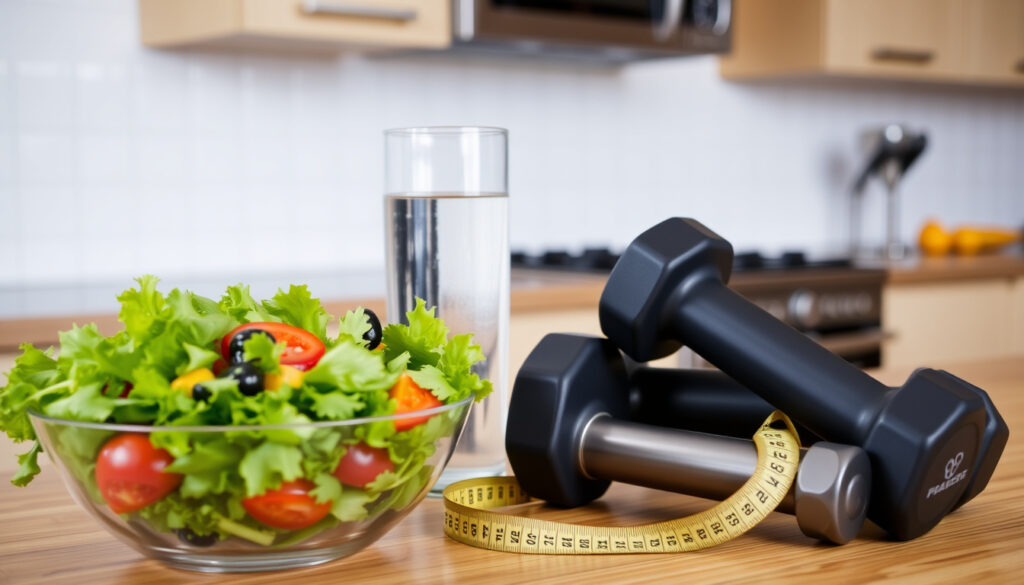
Best Way to Lose Belly Fat: Diet & Exercise Plan
Anyone who’s tried to lose belly fat knows that stubborn feeling when the scale drops but that lower belly seems to hold on, but scientists have a clear answer about what actually works. This article brings together the latest evidence from the UK’s National Health Service, the Mayo Clinic, and major medical journals to give you a straightforward, four-week plan that targets the fat that matters most.
Excess belly fat type most common: visceral fat (intra-abdominal) ·
Recommended weekly aerobic activity: 150 minutes moderate or 75 minutes vigorous ·
Reduction target for weight loss per week: 500 calories per day deficit ·
Plant-based foods priority in diet: fruits, vegetables, whole grains ·
Lean protein sources recommended: fish, low-fat dairy, legumes
Quick snapshot
- Diet plus exercise reduces abdominal fat more than either alone (NIH evidence review)
- Aerobic exercise can reduce visceral fat even without weight loss (Obesity Canada guidelines)
- Spot reduction is a myth; overall fat loss is necessary (NIH Bookshelf)
- Exact speed of belly fat loss varies individually (NIH 2019 study)
- Optimal carb-to-fat ratio for fastest belly fat loss remains uncertain (NIH evidence review)
- Long-term efficacy of specific “superfoods” beyond overall diet quality (Harvard Health Publishing)
- Weight loss of 6-7% with diet alone or diet plus exercise reduces both subcutaneous and intra-abdominal fat (NIH 2019-02-11 study)
- Older adults following lower-calorie Mediterranean diet with minimal exercise lost body fat over one year (CNN reporting 2023 study)
- Improving diet and exercise simultaneously may prevent visceral fat gain better than focusing on one change alone (Medical News Today 2025 summary)
- Research continues on dose-response effects of HIIT versus steady-state cardio
The table below summarizes key facts about belly fat loss from authoritative sources.
| Label | Value |
|---|---|
| Visceral fat definition | Fat stored deep in the abdomen, linked to higher health risks |
| Recommended weekly exercise | 150 min moderate or 75 min vigorous aerobic activity |
| Daily calorie reduction target | 500 calories for steady weight loss (1 lb per week) |
| Top superfoods category | Fruits, vegetables, whole grains, lean proteins, nuts |
| Hydration priority | Water, green tea; avoid sugary drinks |
What Reduces Belly Fat Fast?
Role of calorie deficit
- Reducing daily intake by 500 calories leads to steady weight loss of about 1 pound per week (NIH evidence review). This approach consistently reduces both subcutaneous and intra-abdominal fat.
- A meta-analysis in the British Journal of Sports Medicine confirmed that exercise and caloric restriction together reduce visceral fat more effectively than either alone.
Impact of reducing added sugars
- High sugar intake is directly linked to visceral fat accumulation. The Harvard Health Publishing notes that greater adherence to a Mediterranean diet and higher physical activity were linked to greater reductions in visceral fat.
- Sugary beverages contribute significantly to visceral fat gain (NIH 2019 study).
How sleep and stress affect belly fat
- Sleep deprivation increases cortisol, a hormone that promotes visceral fat storage. The NIH recommends 7-9 hours per night for weight management.
- Chronic stress elevates cortisol, which may increase appetite and abdominal fat accumulation.
Visceral fat is the most dangerous kind of belly fat because it surrounds internal organs and is linked to heart disease and diabetes. A 6-7% weight loss — achievable in about 8-10 weeks with a 500-calorie deficit — measurably reduces that risk, according to a 2019 study from the NIH.
“General tips to help lose weight include 150 minutes of activity per week and reducing sugar and fat.” — NHS weight loss guidance
The implication: diet and exercise together are the foundation of any effective belly fat reduction plan.
What Exercise Burns the Most Belly Fat?
Aerobic vs. resistance training
- A systematic review in Obesity Reviews found that when weight loss is absent, exercise alone is associated with a 6.1% decrease in visceral adipose tissue, while diet alone shows virtually no change at 1.1%. This suggests exercise has a unique effect on visceral fat.
- Canadian obesity guidelines from Obesity Canada state that resistance training or its combination with aerobic training does not seem to significantly improve visceral fat reduction compared with aerobic training alone.
HIIT benefits
- A PMC/NIH review concluded that exercise training decreases abdominal fat in an intensity-dependent manner — meaning higher intensity (like HIIT) may produce greater reductions.
- The Harvard Health Publishing recommends both aerobic activity and strength training for trimming visceral fat.
Best exercises for adults over 50
- The NHS recommends at least 150 minutes of moderate aerobic activity per week, plus strength training twice weekly, which is safe for most adults over 50.
- Walking at a brisk pace for 30-60 minutes daily is effective and low-impact, as noted in Obesity Canada guidelines.
Relying on exercise alone produces modest weight loss — about 6.1% visceral fat reduction — but combining it with a calorie deficit yields both total body weight loss and targeted fat reduction. The NIH evidence review is clear: diet plus exercise is the gold standard.
“Advocates plant-based foods, lean protein, and whole grains for belly fat reduction.” — Mayo Clinic article on belly fat in women
The pattern: exercise, especially aerobic, is the most efficient lever for visceral fat loss, while diet drives total weight loss.
What Are the 5 Superfoods to Burn Belly Fat?
Leafy greens and whole grains
- Fiber-rich foods promote satiety and reduce overall calorie intake. The Mayo Clinic emphasizes fruits, vegetables, and whole grains as the foundation of a belly-fat-reducing diet.
- Greater adherence to a Mediterranean diet — rich in leafy greens and whole grains — was linked to greater reductions in waist circumference and visceral fat (Harvard Health Publishing).
Lean proteins like fish and legumes
- The British Heart Foundation recommends lean protein sources such as fish, low-fat dairy, and legumes to support weight loss and reduce belly fat.
- Protein increases satiety and thermic effect of food, aiding calorie deficit.
Berries and nuts
- Monounsaturated fats from nuts and avocados may reduce belly fat, according to the Harvard Health Publishing.
- Berries provide antioxidants that support metabolic health.
Fermented foods
- Gut health influences weight regulation. Fermented foods like yogurt and kimchi may support a healthy microbiome, though direct evidence for belly fat reduction is limited.
Green tea
- Green tea catechins modestly increase fat oxidation, though the effect is small. A PMC/NIH review notes the effect is not large enough to replace diet and exercise.
“Supports at least 150 minutes moderate or 75 minutes vigorous aerobic exercise for overall fat loss.” — British Heart Foundation
The catch: superfoods are not a shortcut; they are part of a larger dietary pattern that must be calorie-controlled.
How Can I Slim My Stomach in a Week?
Immediate dietary adjustments
- Reducing sodium and processed carbs can significantly reduce water retention, making the stomach appear flatter within days (Mayo Clinic).
- Eliminate sugary drinks entirely — they are a direct source of visceral fat accumulation (NIH 2019 study).
Hydration and reducing bloat
- Drinking water before meals can increase satiety and reduce calorie intake. The NHS recommends water as the best choice for hydration.
- Avoid carbonated drinks and chewing gum to reduce bloating.
Exercise schedule for one week
- Walk briskly for 30-60 minutes daily, as recommended by Obesity Canada.
- Include two strength training sessions (bodyweight exercises like squats, lunges, and planks) to preserve muscle.
- Sustainable loss is 1-2 pounds per week, not inches overnight — reading this week 1 focus sets the foundation.
What this means: short-term changes are mostly water weight; real fat loss takes time and consistency.
Does Belly Pooch Ever Go Away?
Factors that affect belly pooch persistence
- Consistent diet and exercise can reduce the “pooch.” The Mayo Clinic confirms that overall fat loss includes the belly area.
- Genetics play a role in where fat is stored and lost first, which varies individually.
Role of posture and muscle tone
- Poor posture can make the belly appear larger. Strengthening core muscles (through planks, bridges) improves posture and may visually reduce the pooch.
- Spot reduction is a myth — you cannot target fat loss from just the lower belly (NIH).
When medical conditions might be involved
- Diastasis recti (abdominal separation) after pregnancy may require physical therapy, not just weight loss (NHS).
- Hormonal imbalances (e.g., PCOS, cortisol issues) may make belly fat more stubborn and require medical evaluation.
The implication: a persistent pooch may signal a medical issue, not a failure of willpower.
Which Drink Is Good for Belly Fat?
Water and its metabolism effect
- Water increases metabolic rate temporarily (by about 24-30% for an hour) and helps control appetite. The NHS recommends water as the primary beverage.
Green tea and caffeine
- Green tea catechins and caffeine modestly increase fat oxidation. A PMC/NIH review notes the effect is small but consistent.
Avoiding sugary drinks
- Sugary beverages directly contribute to visceral fat accumulation. The Harvard Health Publishing emphasizes eliminating them for belly fat reduction.
The pattern: what you drink can either support or sabotage your fat loss efforts.
4-Week Timeline: Diet and Exercise Plan
- Week 1: Establish 500-calorie deficit; begin 30 min daily walking. Cut out sugary drinks and processed snacks.
- Week 2: Add 2 strength training sessions (bodyweight exercises). Reduce refined carbs; increase vegetables.
- Week 3: Incorporate HIIT 2 times per week (e.g., 20-min intervals). Boost fiber intake with legumes and whole grains.
- Week 4: Evaluate progress — check weight and waist measurement. Adjust calorie deficit if needed. Maintain routine as a permanent habit.
Five items on this timeline: start with walking and calorie deficit, add strength in week 2, HIIT in week 3, and reassess in week 4. The pattern is gradual escalation, not all-at-once change.
For anyone in the UK or US reading this, the choice is clear: start with a 500-calorie deficit and 30 minutes of daily walking for four weeks, or continue with the same approach that hasn’t worked before. The evidence from the NIH, Mayo Clinic, and NHS is consistent: diet plus exercise is the only proven path to reducing visceral belly fat. The four-week plan gives you a realistic, measurable start — and the next four weeks are up to you.
pmc.ncbi.nlm.nih.gov, andeal.org, sciencedirect.com, medicalnewstoday.com
Frequently asked questions
Can you lose belly fat without exercise?
Yes, calorie deficit alone can reduce total body fat, including belly fat. However, the Obesity Reviews meta-analysis shows exercise has a superior effect on visceral fat even without weight loss, so combining both is more effective.
Does drinking green tea reduce belly fat?
Green tea catechins and caffeine modestly increase fat oxidation, but the effect is small. It is not a replacement for diet and exercise (PMC/NIH).
Is belly fat more dangerous than other fat?
Yes, visceral fat (deep abdominal fat) is linked to higher risks of heart disease, type 2 diabetes, and inflammation, unlike subcutaneous fat under the skin (NIH).
How long does it take to see belly fat loss?
Most people can see a 6-7% weight loss in 8-10 weeks with consistent calorie deficit and exercise. Waist measurement changes may appear within 4-6 weeks (NIH 2019 study).
What is the difference between visceral and subcutaneous belly fat?
Visceral fat is stored deep inside the abdomen around organs; subcutaneous fat sits under the skin. Visceral fat poses greater health risks. Exercise reduces visceral fat preferentially (Obesity Canada).
Does stress cause belly fat?
Chronic stress elevates cortisol, a hormone that promotes visceral fat storage and increases appetite. Managing stress is part of an evidence-based approach to belly fat reduction (Harvard Health Publishing).
Can certain foods increase belly fat?
Sugary drinks, refined carbs, and trans fats directly contribute to visceral fat accumulation. The Mayo Clinic advises limiting these for belly fat management.
More related posts
 3 Ingredient Peanut Butter Cookies: Easy Recipe & Troubleshooting
 Avatar The Last Airbender – Guide to Elements and Nations
 Bungee Fitness Near Me: Classes, Costs & Workout Benefits
 Translate English to Japanese – Best Free Tools and Accuracy Guide
 Omron Blood Pressure Monitor – Top Models for Home Use
 Massage Parlor Near Me: Find Safe Spas in Dublin & Avoid Scams
 Low Taper Curly Hair: Complete Guide & Tips
 Star Trek Strange New Worlds: Seasons, Kirk & Cast