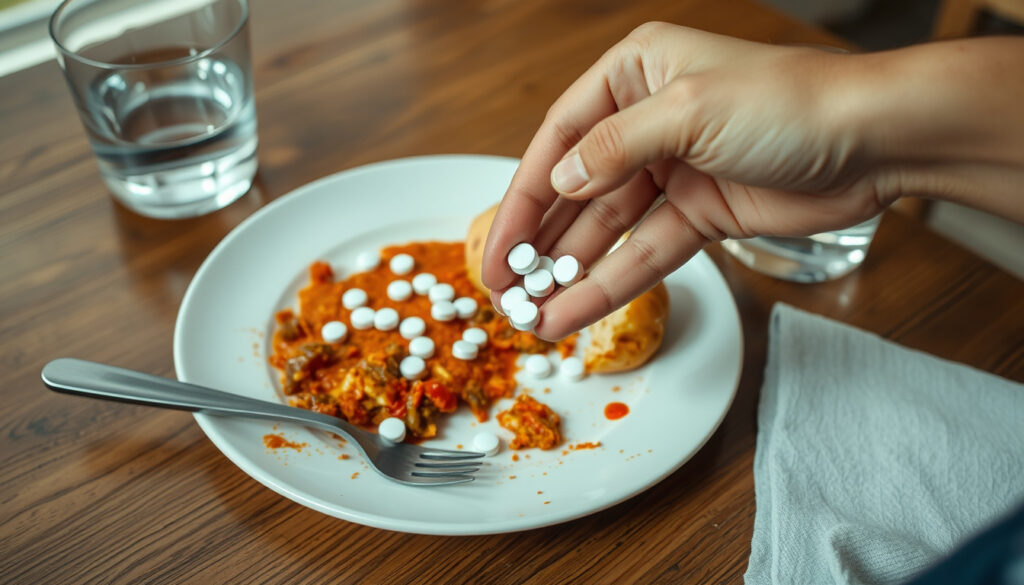
Why Does My Stomach Hurt After I Eat? Causes and Quick Relief
You sit down to a meal, take a few bites, and then that familiar ache starts — a common experience that can be unsettling, but most cases are just indigestion triggered by eating too much or too fast, according to MedlinePlus (U.S. National Library of Medicine). Here’s how to decode the signals your stomach is sending, so you know when to reach for an antacid and when to call a doctor.
Adults with IBS (United States): 10-15% ·
Indigestion prevalence: 20% of population ·
ER visits for abdominal pain: 5% of total ·
Food intolerance rate: Up to 20% of population
Quick snapshot
- Burning or bloating after eating (MedlinePlus)
- Caused by eating too fast, fatty foods, stress (Mayo Clinic)
- Relief: antacids, slow eating (MedlinePlus Medical Encyclopedia)
- Cramping, diarrhea or constipation after meals (Hopkins Medicine)
- Triggered by certain foods or stress (Hopkins Medicine)
- Management: diet changes, fiber, probiotics (Healthline)
- Gnawing upper abdominal pain (MSD Manual)
- Often worse after eating (MSD Manual)
- Caused by H. pylori or NSAIDs (MSD Manual)
- Pain, gas, bloating, diarrhea after specific foods (Healthline)
- Examples: lactose, gluten, fructose (Healthline)
- Avoid trigger foods; keep a food diary (NHS (UK National Health Service))
Four common conditions, one pattern: each causes post-meal discomfort but differs in character, location, and triggers. The table below helps you compare them at a glance.
| Label | Value |
|---|---|
| Most common cause | Indigestion (dyspepsia) |
| Typical duration of simple pain | 2-4 hours |
| Red flag to seek emergency care | Severe pain + vomiting blood or fever |
| Key self-care step | Sit upright and avoid lying down |
Should I be worried if my stomach hurts after eating?
This is the first question most people ask. The answer depends on the severity, duration, and accompanying symptoms. Most post-meal pain is harmless, but certain signs demand immediate attention.
What stomach pain should you not ignore?
- Sudden, sharp pain that feels like a knife stab (MedlinePlus Medical Encyclopedia)
- Pain accompanied by fever, vomiting blood, or black tarry stools (Mayo Clinic Care Network)
- Inability to pass stool or gas, which could signal a blockage (Cleveland Clinic)
- Pain that awakens you from sleep (MSD Manual)
What is a red flag stomach pain?
MedlinePlus warns that abdominal pain with blood in vomit or stool, chest/neck/shoulder pain, a rigid or very tender abdomen, breathing difficulty, or pregnancy should prompt immediate emergency care (MedlinePlus Medical Encyclopedia).
How long will a tummy ache last?
Simple indigestion pain usually resolves within a few hours. Gas pain may come and go, typically passing within 30 minutes to 2 hours (NHS (UK National Health Service)). If pain lasts longer than 24 hours or worsens, contact a provider (MedlinePlus Medical Encyclopedia).
Most people with post-meal pain do not need emergency care. But the pattern is clear: if you have severe pain plus fever, vomiting, or blood, do not wait — go to the ER.
The implication: early recognition of red flags can prevent serious outcomes.
What is gastritis stomach pain like?
Gastritis produces a distinct burning, gnawing sensation in the upper abdomen. Unlike simple indigestion, gastritis pain often persists or worsens despite home remedies.
What are the first warning signs of a stomach tumor?
- Unexplained weight loss (Mayo Clinic)
- Persistent abdominal pain that does not go away (Mayo Clinic)
- Blood in stool (black or tarry) (CDC (U.S. Centers for Disease Control and Prevention))
- Feeling full after eating only a small amount (CDC)
Types of stomach pain female
Women may experience additional causes such as endometriosis or ovarian cysts, which can mimic digestive pain. The American Gastroenterological Association notes that pelvic pain in women should be evaluated separately from abdominal pain.
Upper middle stomach pain after eating
This location often points to the stomach or duodenum. Peptic ulcer disease causes burning or gnawing pain that may be relieved by food or antacids (MSD Manual).
If your upper middle pain is accompanied by unexplained weight loss or black stools, you need an endoscopy — not just antacids.
What this means: persistent upper abdominal pain with alarm symptoms warrants prompt gastroenterology referral.
Why does my stomach hurt after I eat or drink anything?
When pain occurs after every meal or drink, the cause is often a chronic condition rather than a one-time trigger.
Why does my stomach hurt after I eat and I feel like throwing up
Nausea after eating is common with delayed gastric emptying (gastroparesis), which can be caused by diabetes or viral illness (NHS).
Why does my stomach hurt after i eat and i have to poop
This is a classic sign of irritable bowel syndrome (IBS). The Hopkins Medicine (Johns Hopkins Medicine) explains that IBS-related abdominal pain may become worse after a meal or during stress.
Why does my stomach hurt after I eat in the morning
Morning pain can be from acid reflux or an empty stomach irritated by gastric acid. Lying down overnight allows acid to move upward, causing morning discomfort (MSD Manual).
Why does my stomach hurt after i eat meat
Pain after eating meat may indicate gallbladder issues. The gallbladder releases bile to digest fat, and if it is inflamed or has stones, fatty meals trigger pain (Mayo Clinic).
Why does my stomach hurt after i eat and i have diarrhea
Diarrhea after eating often signals irritable bowel syndrome (IBS) or food intolerance. Lactose intolerance, for example, affects up to 20% of the population (Healthline).
If you have diarrhea after every meal, it’s worth keeping a food diary to identify triggers. But if the diarrhea is bloody or accompanied by fever, see a doctor immediately.
The pattern: chronic symptoms that recur with specific foods point to an intolerance or IBS, not an emergency.
How to stop pain in stomach after eating?
For mild to moderate pain, several home remedies can provide relief. The key is to act quickly and avoid common mistakes.
How to calm stomach pain fast?
- Drink peppermint or ginger tea to relieve gas and nausea (Healthline)
- Apply a heat pack to the abdomen to ease cramping (NHS)
- Take over-the-counter antacids containing calcium carbonate or magnesium (MedlinePlus Medical Encyclopedia)
What to drink to remove stomach pain?
Clear liquids like water, herbal tea, or electrolyte drinks are best. Avoid carbonated beverages, caffeine, and alcohol, which can worsen symptoms (Healthline).
Is yogurt good for an upset stomach?
Yogurt with probiotics may help diarrhea, but avoid it if you are lactose intolerant (Healthline).
Is it better to lie down or sit up with a stomach ache?
Sit upright or prop yourself up with pillows. Lying down immediately after eating can worsen acid reflux and slow digestion (MSD Manual).
Should I sleep with a stomach ache?
If you need to sleep, elevate your head with an extra pillow to keep stomach acid down. Avoid sleeping on your back if you have reflux (Healthline).
The position you choose after eating can make the difference between 30 minutes of discomfort and a night of sleepless pain.
The implication: small posture changes are effective, low‑cost interventions.
For more on weight management, see Best Way to Lose Belly Fat: Diet & Exercise Plan.
How long will a tummy ache last?
Duration varies by cause. Here’s a quick reference:
- Gas pain: 30 minutes to 2 hours (NHS)
- Indigestion: 2-4 hours (Mayo Clinic)
- IBS pain: Can last several hours, often comes and goes (Hopkins Medicine)
- Gastritis: May persist for days if untreated (MSD Manual)
If pain lasts longer than 24 hours or recurs frequently, it is time to see a doctor (MedlinePlus Medical Encyclopedia).
Chronic pain that resolves and returns is not a sign that nothing is wrong — it’s a sign you need a diagnosis.
The consequence: recurring pain demands a thorough evaluation, not continued self‑treatment.
Step-by-step relief for post-meal stomach pain
- Stop eating and sit upright. Give your stomach time to process. (MedlinePlus)
- Drink a warm beverage. Peppermint or ginger tea can relax the digestive tract. (Healthline)
- Take an antacid if the pain is burning. Over-the-counter options work quickly. (MedlinePlus Medical Encyclopedia)
- Apply a heating pad. Heat helps relax abdominal muscles. (NHS)
- If pain persists beyond 2 hours, avoid eating again. Let your stomach rest. (Healthline)
- Keep a food diary. Identify and avoid trigger foods. (NHS)
Maintaining a healthy weight can also reduce digestive pressure; see Fastest Way to Lose Weight: Evidence-Based Strategies.
Confirmed facts
- Indigestion, gas, and IBS are common causes of post-meal abdominal pain (MedlinePlus)
- Red flags require immediate medical attention (MedlinePlus Medical Encyclopedia)
- Antacids and ginger tea can relieve mild symptoms (Healthline)
What’s unclear
- Exact mechanism linking food triggers to IBS pain is not fully understood (Hopkins Medicine)
- Why some individuals develop food intolerances later in life (NHS)
- The exact cause of functional dyspepsia is not fully understood (Mayo Clinic)
“Abdominal pain after eating may be due to: Indigestion, Gas and gas pain, Constipation, Diarrhea, Food allergies and intolerances, Food poisoning.”
“IBS related abdominal pain may become worse after you eat a meal or if you are stressed.”
— Hopkins Medicine (Johns Hopkins Medicine)
“Feeling full and bloated after eating, heartburn, feeling sick” are common symptoms of indigestion.
— NHS (UK National Health Service)
“Stomach pain after eating can be triggered by food allergies or intolerances.”
— Healthline
Most post-meal stomach pain is manageable at home, but the line between a minor annoyance and a medical emergency is thin. For the person who experiences pain after every meal, the choice is clear: keep a food diary and see a gastroenterologist, or risk a delayed diagnosis of a treatable condition like IBS, gastritis, or gallbladder disease.
hee.nhs.uk, newsnetwork.mayoclinic.org, normed.app, zdravo.life, medicalnewstoday.com, ubiehealth.com
Frequently asked questions
Can stress cause stomach pain after eating?
Yes, stress can trigger or worsen symptoms of functional dyspepsia and IBS by affecting gut motility and sensitivity (Mayo Clinic).
Is it normal to have stomach pain after eating spicy food?
Spicy foods can irritate the stomach lining and trigger indigestion or heartburn in sensitive individuals (Healthline).
What does gallbladder pain feel like after eating?
Gallbladder pain is typically sharp and located in the upper right abdomen, often radiating to the back or shoulder blade, and occurs after fatty meals (Mayo Clinic).
Why does my stomach hurt after eating but go away after a while?
This pattern is common with gas, indigestion, or mild IBS. The pain resolves as the digestive process moves forward (NHS).
Can drinking too much water during meals cause stomach pain?
Yes, drinking large amounts of water with meals can dilute stomach acid and slow digestion, leading to bloating and discomfort (Healthline).
Does stomach pain after eating indicate a food allergy?
It can, but food allergies often cause additional symptoms like hives, swelling, or difficulty breathing. More commonly, it is a food intolerance (CDC).
Should I see a doctor if I have stomach pain after eating every day?
Yes, daily pain warrants a medical evaluation to rule out chronic conditions like IBS, gastritis, or gallbladder disease (MedlinePlus Medical Encyclopedia).
More related posts
 Are Mushrooms Good for You? Health Benefits & Risks
 Is Goofy a Dog – Disney Confirmation and Myths Busted
 Ford Build and Price Ireland: Configurator & Price Lists
 What Is Body Dysmorphia? Symptoms, Causes & Treatments
 How to Subtract Fractions: Step-by-Step Guide with Examples
 Old Navy Christmas Pajamas: Family Matching Sets & Sale Guide
 Star Trek Strange New Worlds: Seasons, Kirk & Cast
 What Is a Medium – Definition, Types and Psychic Differences